Working out someone’s biological age is more difficult than counting backward to date of birth, though we are getting better at it. Knowing this information can help in variety of ways when it comes to health, including spotting serious problems earlier on.
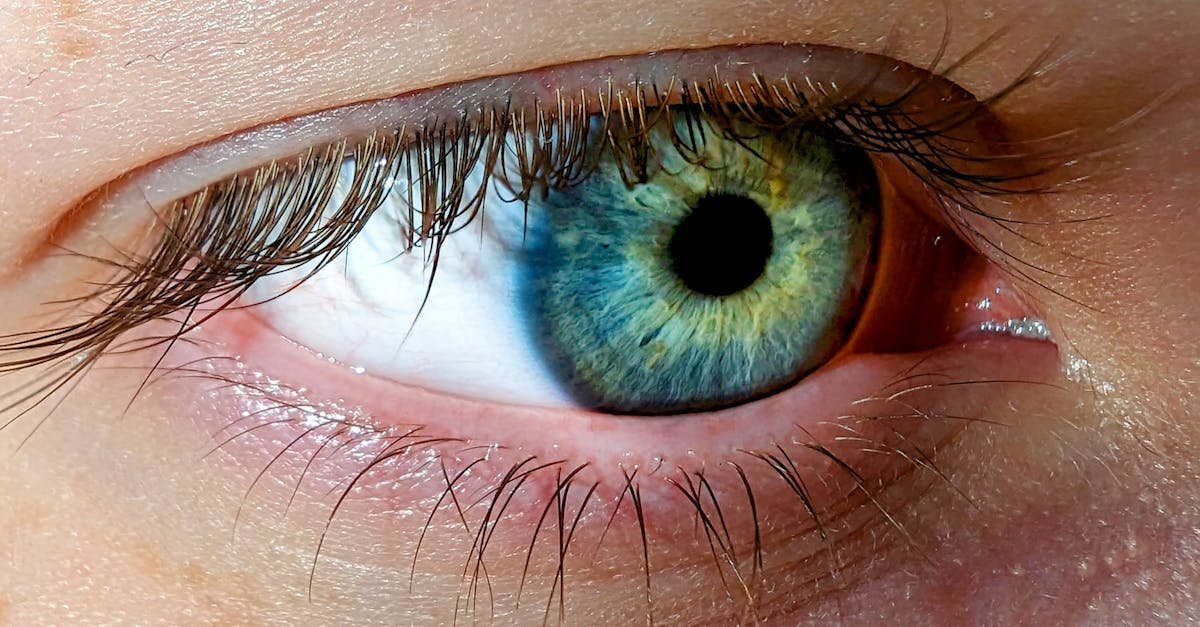
Now researchers at Seoul National University have published study in GeroScience showing that scan of back of eye could offer quick, noninvasive way to estimate biological aging – and one that predicts age more accurately than earlier retinal models.
The study builds on retinal age gap RAG technology that scientists have been developing for several years. It essentially uses big training library of images to guess someone’s age from their eye – part of body closely linked to brain and heart – and to highlight potential differences in biological aging.
“Individuals of same chronological age exhibit substantial variability in biological aging and health status, shaped by genetic, environmental, and lifestyle factors,” write researchers in published paper. “This underscores growing need for accurate, accessible biomarkers of biological age that can capture this heterogeneity, improve risk prediction, and inform prevention strategies.”
29,530 Retinal Scans Trained Model – Tested On 14,832 More
Researchers expanded on previous RAG research with new training data and some algorithm tweaks. Importantly, they used mix of imagery from healthy eyes and those with retinal or optic nerve disease, which most previous studies hadn’t done.
Total of 29,530 retinal scans from 7,535 participants were fed into system, which was then put to test on 14,832 different scans from another 7,416 participants. Model was able to predict actual chronological age with average error of 2.5–2.7 years, which stands up well against previous RAG setups.
In terms of biological aging, higher RAGs were associated with variety of health and lifestyle factors: +2.52 years for diabetes, +0.5 years for current smokers, +0.46 years for former smokers, +0.6 years for macular degeneration, and +1.86 years for cataracts.
Researchers note that cataract link may partly reflect cloudier images rather than faster retinal aging.
It’s also worth noting that researchers didn’t test their approach against other ways of measuring biological aging. However, links between larger RAG scores and conditions known to affect biological age suggest it could be used in this way.
“RAG, an imaging-derived age-prediction residual, is therefore associated with lifestyle, systemic, and ocular health,” write researchers.
Why Mixed Healthy And Diseased Eyes + Sex Multi-Task Learning Matters
Researchers emphasize value in expanding training data libraries with eye scans from both healthy and diseased eyes, and in getting underlying RAG model to account for sex at same time as assessing age – what’s known as multi-task learning. In simple terms, running two assessments at once potentially reduces inaccuracies that might be caused by differences between men and women.
And as well as assessing biological age, technology could also be useful in spotting health problems that would otherwise get missed – although more research and development will be needed before that happens.
“In ophthalmology clinics where fundus imaging is routinely performed, RAG may help flag patients for further systemic evaluation,” write researchers. “If validated in longitudinal studies, serial RAG measurements may provide means to track within-person change and to assess responses to systemic interventions.”
Potential next steps include tracking participants over time to see whether treatments or other changes affect retinal ‘age’, and comparing accuracy of RAG against established biological aging assessments. For now, system will be most useful for tracking population-level trends rather than individuals, because many effects it picks up are small compared with model’s margin of error.
“Whether it reflects biological aging requires longitudinal validation against established aging biomarkers,” write researchers. “At present, RAG suits population-level characterization better than individual-level risk stratification.”
Q&A
Q: Can your eyes reveal how fast you’re aging?
A: Seoul National University study in GeroScience shows fundus scan of back of eye predicts chronological age within 2.5-2.7 years error and retinal age gap linked to biological aging; higher RAG +2.52 years diabetes, +0.5 smoking, +1.86 cataract.
Q: What is retinal age gap RAG?
A: Imaging-derived age-prediction residual using large training library to guess age from retina – part linked to brain and heart; new model trained on 29,530 scans from 7,535 people including healthy and diseased eyes, tested on 14,832 scans from 7,416 others.
Q: Is retinal age gap ready for individual risk prediction?
A: Not yet; researchers say needs longitudinal validation against established aging biomarkers; suits population-level trends better than individual-level risk stratification because effects small vs margin of error; could flag patients in eye clinics for systemic evaluation.
FAQ
1. How accurate is eye scan age prediction?
Average error 2.5–2.7 years for chronological age, better than earlier retinal models, using new algorithm tweaks and multi-task learning accounting for sex.
2. Why include diseased eyes in training?
Most previous studies used only healthy eyes; Seoul team expanded library with retinal and optic nerve disease eyes, improving real-world accuracy.
3. What health factors raise retinal age gap?
Diabetes +2.52 years, current smokers +0.5 years, former smokers +0.46 years, macular degeneration +0.6 years, cataracts +1.86 years, though cataract may partly reflect cloudy images not faster aging.
4. What is multi-task learning in RAG?
Running age and sex assessment at once reduces inaccuracies caused by differences between men and women.
5. What are next steps for RAG technology?
Longitudinal studies tracking same person over time to see if treatments change retinal age, and comparing RAG accuracy against established biological aging assessments.
Disclaimer; This article for informational purposes only and does not constitute medical advice.