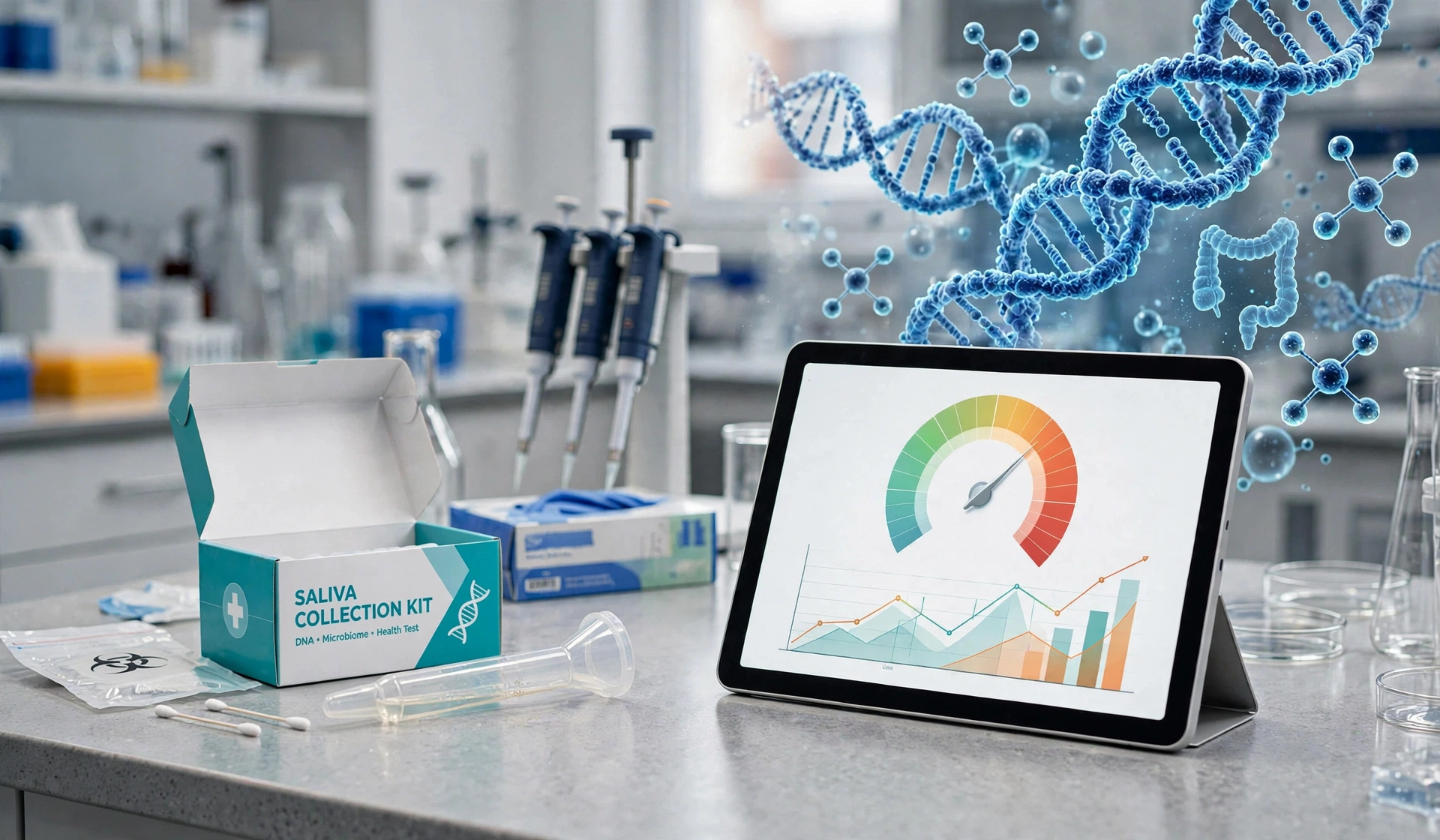

Promising UCLA blood test may soon act like health radar, spotting multiple cancers and organ diseases early from single vial blood sample. Researchers created simple relatively inexpensive MethylScan test that scans DNA signals for cancers, liver diseases, and organ damage indicators simultaneously worldwide today effectively.
TheTeam published findings in Proceedings of National Academy of Sciences, highlighting affordable early detection approach that could transform preventive medicine globally significantly.
Early detection remains crucial because survival rates dramatically improve when doctors catch cancers before they spread beyond original organ site for better outcomes.Dr Jasmine Zhou, senior author and UCLA pathology professor, stated stage one cancer outcomes vastly outperform stage four outcomes for most patients today.
How Does MethylScan Read Disease Signals?
How does innovative MethylScan technique read disease signals hidden within circulating cell-free DNA fragments naturally released by dying cells daily throughout human body?
Every day fifty to seventy billion cells die, releasing DNA into bloodstream, providing comprehensive organ health information circulating within blood constantly for analysis.
Unlike traditional liquid biopsies searching limited mutations, MethylScan focuses on DNA methylation tags that control gene activity and reflect tissue health status accurately. Dr Wenyuan Li, co-corresponding author and UCLA pathology professor, explained methylation patterns provide highly informative signals about tissue health and disease transformation processes. However, eighty to ninety percent of cell-free DNA originates from normal blood cells, creating overwhelming background noise that obscures rare early cancer signals.
How Did Scientists Filter Background Noise?
To overcome background interference, team developed enzymes selectively cutting unmethylated blood-derived fragments before sequencing begins for cleaner organ-derived signal enrichment process today efficiently. Researchers also created genome-wide hybridization panel enriching remaining sample for methylated DNA from solid organs potentially affected by cancer or liver disease today.
Reducing background noise allows test to achieve 300× sequencing depth using only five gigabases data, costing less than twenty dollars per sample today.
Testing In More Than 1,000 People Team evaluated MethylScan using blood samples from one thousand sixty-one people including cancer patients, liver disease patients, and healthy participants overall for analysis. Group included liver, lung, ovarian, stomach cancers, hepatitis B, hepatitis C, alcohol-related liver disease, metabolic liver disease, benign nodules, and healthy controls today.
Machine learning algorithms interpreted complex methylation patterns, identifying cancers with high accuracy while maintaining low false positive rates across diverse disease cohorts today.
At ninety-eight percent specificity, MethylScan detected sixty-three percent cancers across all stages and approximately fifty-five percent early-stage cancers overall in study cohort today. For high-risk liver cancer monitoring among cirrhosis and hepatitis B patients, test detected nearly eighty percent liver cancers with ninety percent specificity today.
Finding Where Cancer Started
Furthermore, methylation patterns revealed tissue of origin, helping researchers pinpoint which organ produced abnormal signal requiring follow-up imaging or diagnostic procedures quickly today. Being able to trace signals back to source remains important because positive blood test requires targeted imaging directed at correct organ for confirmation.
In that sense, MethylScan functions like health radar, detecting stressed or damaged liver and lung signals even without searching for specific disease beforehand.
Test also distinguished different liver disease forms, including viral hepatitis and metabolic-associated liver disease, correctly classifying about eighty-five percent patients overall in evaluation. Those results suggest blood-based DNA analysis could eventually reduce reliance on invasive liver biopsies for some patients needing regular disease monitoring today worldwide.
Q&A – Key Questions Answered
Does MethylScan replace existing cancer screening methods like mammography, colonoscopy, and low-dose CT scans for early detection in general population today worldwide safely?
No, researchers emphasize larger prospective trials remain necessary to validate real-world performance before MethylScan complements or replaces established screening tools for clinical use.
Can single vial blood test accurately determine exact organ location where abnormal methylation signals originate for directing subsequent diagnostic imaging procedures effectively today?
Yes, tissue-specific methylation patterns allow MethylScan to predict origin, guiding doctors toward appropriate organ-specific imaging and reducing unnecessary broad diagnostic workups for patients.
FAQ For Google News and AI Search
How much does MethylScan cost compared to expensive liquid biopsies requiring extensive sequencing for detecting weak early cancer signals in blood samples today?
By removing background blood DNA, MethylScan needs only five gigabases data achieving 300× depth, potentially costing under twenty dollars per sample today affordably.
Analysis: Why This Matters
Analysis suggests affordable methylation-based blood tests could democratize early cancer detection, especially in resource-limited settings lacking advanced imaging and specialist access globally today.
Disclaimer: This article provides educational information about emerging blood-based cancer detection research and does not constitute medical advice, diagnosis, or screening recommendation for readers. Always consult qualified healthcare professionals for personalized cancer screening guidance based on age, family history, risk factors, and current evidence-based medical guidelines today.