
Researchers were surprised to find that polyethylene, one of the world’s most widely used plastics, contributes to liver disease because scientists have long considered it biologically inert. Consequently, this discovery challenges the assumption that this everyday plastic is harmless inside the human body.
Tiny fragments of plastic now appear in oceans, drinking water, food packaging, and even human tissues. Although exposure has become nearly impossible to avoid, researchers are still working to determine what these particles may actually do inside the body over time. New evidence from the Texas A&M College of Veterinary Medicine and Biomedical Sciences now suggests that polyethylene may significantly contribute to fatty liver disease. Furthermore, the effects appeared far more severe when exposure was combined with an unhealthy Western-style diet.
Why Is Polyethylene Everywhere And Why Was It Ignored?
Polyethylene accounts for approximately one-third of global plastic production but has received much less scientific attention than several other microplastics. It is commonly found in food packaging, plastic wrap, storage containers, and the inner linings of beverage cups. Researchers specifically examined whether exposure to this everyday material could affect the liver and investigated the precise biological processes that might explain any resulting damage.
“No studies have really looked into polyethylene’s effect on liver health, and it’s the most widely produced plastic,” said Dr. Adi Joshi, associate professor in Veterinary Physiology and Pharmacology. “What we now know is that these microplastics, especially polyethylene, affect our liver’s natural defense and repair mechanisms.”
How Does Polyethylene Worsen Diet-Related Liver Damage?
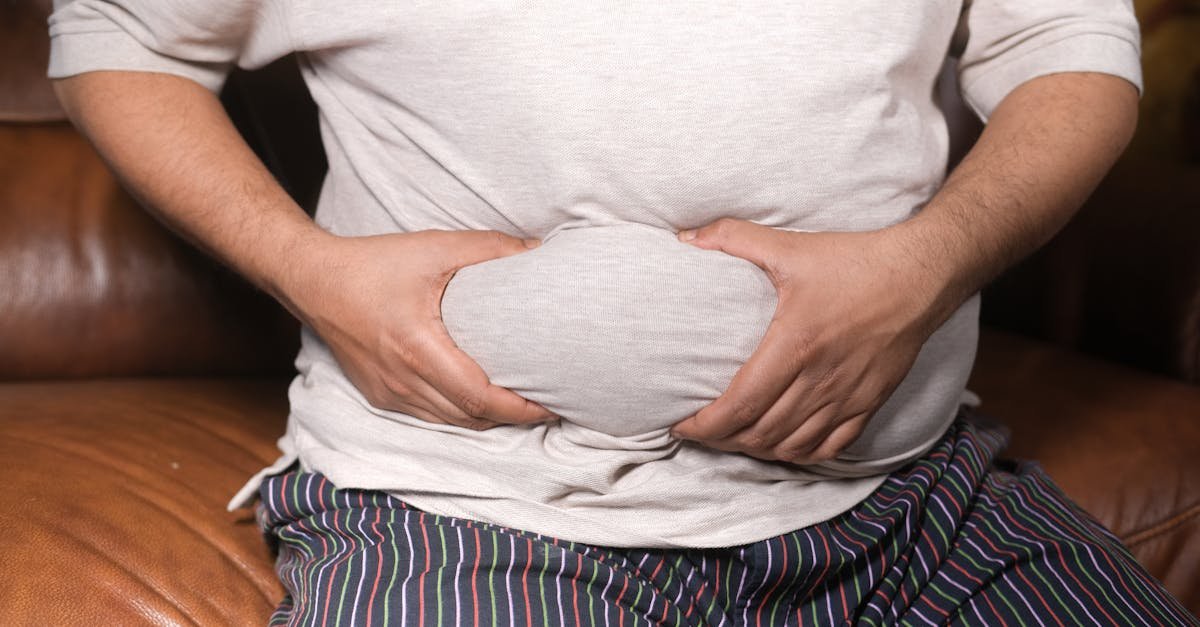
Joshi and his colleagues focused their investigation on fatty liver disease, a serious condition in which excessive fat accumulates inside liver cells and impairs function. According to the American Liver Foundation, the condition affects approximately 25% of people worldwide, making it extremely common.
The researchers found that polyethylene exposure alone increased clear biological signs associated with fatty liver disease in laboratory models. However, those signs became substantially more pronounced when polyethylene exposure was paired with a diet containing high levels of fat, fructose, and cholesterol. The results indicate that diet and environmental exposure may interact in dangerous ways that speed up the progression of liver damage. In other words, plastic and junk food together create a double hit for your liver.
“Those who have a more Western-style diet, including foods like burgers and sodas, may have a greater chance of progressing to fatty liver disease if they are also exposed to polyethylene,” Joshi explained. This result was completely unexpected because polyethylene has generally been viewed as one of the more biologically inert and safe forms of microplastic. Instead of remaining harmless, the material appeared capable of affecting the liver both independently and alongside dietary risk factors.
Gene Mapping Pinpoints Exactly Where Liver Damage Occurs
To investigate where the damage occurred inside the liver, the Texas A&M researchers collaborated with scientists at the University of Oklahoma and used advanced spatial transcriptomics technology.
This cutting-edge technology measures gene activity while preserving the exact location of individual cells within intact tissue. Therefore, it allowed researchers to directly connect changes in gene expression with specific damaged areas of the liver for the first time.
The analysis identified PPAR-alpha, a critical protein involved in regulating fat production and metabolism in the liver, as an important part of the organ’s response to polyethylene exposure.
The researchers also identified ANXA2, a gene involved in repairing damaged tissue, as another possible key contributor to the disease process. Joshi said identifying these molecular pathways provides a plausible explanation for how polyethylene affects liver health and could help develop future treatments.
Analysis: What Questions Remain Unanswered?
The results provide an initial but crucial view of polyethylene’s effects on the liver, but several important questions still remain unanswered for public health. The researchers plan to examine whether chronic exposure contributes to more advanced and irreversible forms of liver disease, including fibrosis, which involves the buildup of scar tissue. They will also continue searching for other molecular pathways involved in the body’s response to microplastics. Another major goal is to determine whether altering or blocking the PPAR-alpha pathway could reduce the harmful liver effects associated with polyethylene exposure.
“This is the pioneering study showing that polyethylene can contribute to fatty liver disease and the use of spatial transcriptomics has determined exactly where the damage has happened within the liver,” Joshi said. “The other microplastics might also be harmful to the liver, and we definitely need to look into other classes of microplastics.”
As research into the long-term health effects of microplastics continues, Joshi hopes the findings will encourage closer examination of how routine environmental exposures interact with diet to influence chronic disease.
Q&A
Q: Can microplastics from food packaging cause liver disease?
A: A new Texas A&M study suggests that polyethylene microplastics, commonly found in food packaging and cups, can increase signs of fatty liver disease, especially when combined with a high-fat, high-sugar diet.
Q: How does diet make plastic exposure worse for the liver?
A: Researchers found that a Western diet high in burgers, sodas, and cholesterol amplified liver damage from polyethylene, suggesting diet and plastic pollution interact to accelerate disease progression.
Frequently Asked Questions
1. What is polyethylene and where is it found?
Polyethylene is the most widely produced plastic globally, making up one-third of all plastic, and it is found in plastic wrap, food storage containers, grocery bags, and beverage cup linings.
2. How does polyethylene damage the liver according to the study?
The study found polyethylene disrupts the liver’s natural defense and repair mechanisms by affecting the PPAR-alpha protein that regulates fat production and the ANXA2 gene involved in tissue repair.
3. What is fatty liver disease and how common is it?
Fatty liver disease occurs when excess fat builds up inside liver cells, and it affects about 25% of people worldwide, often linked to diet, obesity, and now potentially microplastic exposure.
4. How can I reduce exposure to polyethylene microplastics?
You can reduce exposure by avoiding heating food in plastic containers, using glass or steel storage, limiting ultra-processed packaged foods, and avoiding single-use plastic cups and wraps where possible.
Final Word: This pioneering study proves that even supposedly inert plastics are not harmless, especially when combined with unhealthy eating habits that already strain your liver.
Disclaimer: This article is for informational purposes only and does not constitute medical advice. Please consult a healthcare professional for personal health concerns.