
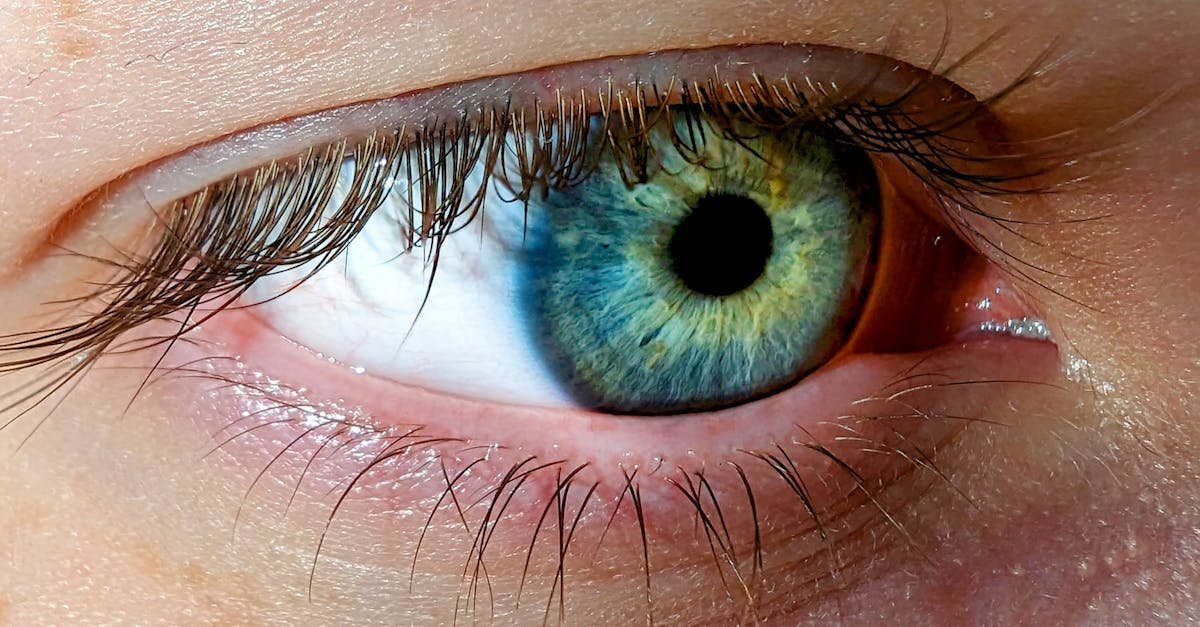
Many people frequently overlook their eye health until significant vision problems begin to disrupt their daily routines and essential activities. We often dismiss early symptoms as simple fatigue, natural ageing, or the result of excessive screen time during a long workday. However, your eyes can quietly signal serious underlying medical conditions long before any noticeable or permanent vision loss actually occurs.
Recognising these early warning signs is absolutely critical because millions of people worldwide suffer from vision impairment that scientists consider entirely preventable.
The Global Crisis of Preventable Vision Loss
Around the world, more than forty-three million people are currently blind, while nearly three hundred million others live with moderate to severe visual impairment. Remarkably, experts estimate that over ninety per cent of all vision loss is preventable if individuals seek treatment before their condition worsens. Consequently, recognising warning signs early is the “need of the hour” to ensure that hundreds of millions of people can protect their sight. Early detection plays a truly crucial role in preventing long-term impairment and maintaining a high quality of life as we age.
Persistent Blurred or Fluctuating Vision
Occasional blurry vision after spending long hours staring at digital screens is common, but you should not ignore frequent shifts between clear and blurry sight. Persistent fluctuations in your vision may indicate refractive errors that require corrective lenses or, more seriously, early signs of developing cataracts. Furthermore, these specific symptoms can signal dangerous changes in your blood sugar levels that are often associated with undiagnosed or poorly managed diabetes.
Chronic Redness and Irritation
Many individuals choose to ignore red or watery eyes by assuming the irritation is simply due to common environmental dust or seasonal allergies. However, persistent redness may be a clinical sign of dry eye syndrome, underlying infections, or serious internal inflammation that requires professional medical intervention. If left untreated, these chronic conditions can permanently damage the sensitive eye surface and significantly increase the risk of developing painful future complications.
Difficulty with Night Vision and Light Sensitivity
Struggling to see clearly at night or experiencing an intense glare from oncoming lights could indicate early cataracts or significant retinal changes. These symptoms often develop very gradually over several years, making them extremely easy for most patients to ignore until they interfere with night driving. Consequently, you may not notice how much your vision has deteriorated until a dangerous situation occurs on the road during your evening commute.
Sudden Floaters and Flashes of Light
According to leading experts, occasional floaters are usually harmless, but a sudden increase in these spots requires your immediate and urgent attention. If you experience sudden flashes of light or shadowy areas in your field of vision, it could signal a life-threatening retinal detachment. Ignoring these dramatic symptoms can lead to permanent and irreversible vision loss within a very short timeframe if you do not seek surgery.
Silent Killers: The Need for Regular Exams
Your eyes rarely cause significant physical pain when something is wrong, which makes these silent warning signs even more dangerous for the average person. Comprehensive eye exams are not just about updating your glasses; they help doctors detect glaucoma, diabetic retinopathy, and hypertensive eye disease during their early stages. Early diagnosis significantly improves your treatment outcomes and can prevent the irreversible damage often caused by these silent, painless, and progressive conditions.
Analysis: Why “Silent” Symptoms Are the Most Dangerous
The lack of physical pain in most eye diseases creates a false sense of security that prevents many patients from seeking necessary medical care. While we react quickly to a toothache or a broken bone, we tend to ignore the subtle “graying” or “blurring” of our world. This psychological barrier is the primary reason why millions of people lose their sight to conditions that doctors could have treated easily. By the time vision loss becomes noticeable to the patient, the underlying damage to the optic nerve or retina is often already permanent.
Q&A: Understanding Your Eye Health
Q: Can blurred vision really be a sign of diabetes?
A: Yes, fluctuating blood sugar levels can cause the lens of your eye to swell, which directly leads to noticeable changes in your vision.
Q: Are eye floaters always a medical emergency?
A: While occasional floaters are common, a sudden “shower” of new floaters accompanied by flashes of light is an emergency that requires immediate care.
FAQ: Frequently Asked Questions
How often should I have a comprehensive eye exam?
Most experts recommend an annual exam to detect silent conditions like glaucoma and hypertension before they cause any noticeable symptoms or permanent damage.
Is night blindness a normal part of ageing?
While vision changes as we age, significant difficulty seeing at night often points to cataracts or retinal issues that a doctor should evaluate.
What causes persistent red eyes if I don’t have allergies?
Chronic redness can be caused by dry eye syndrome, infections, or inflammation, all of which can damage the eye surface if you ignore them.
Can high blood pressure be detected during an eye exam?
Yes, eye doctors can see signs of hypertensive eye disease by examining the delicate blood vessels in the back of your retina during your check-up.