
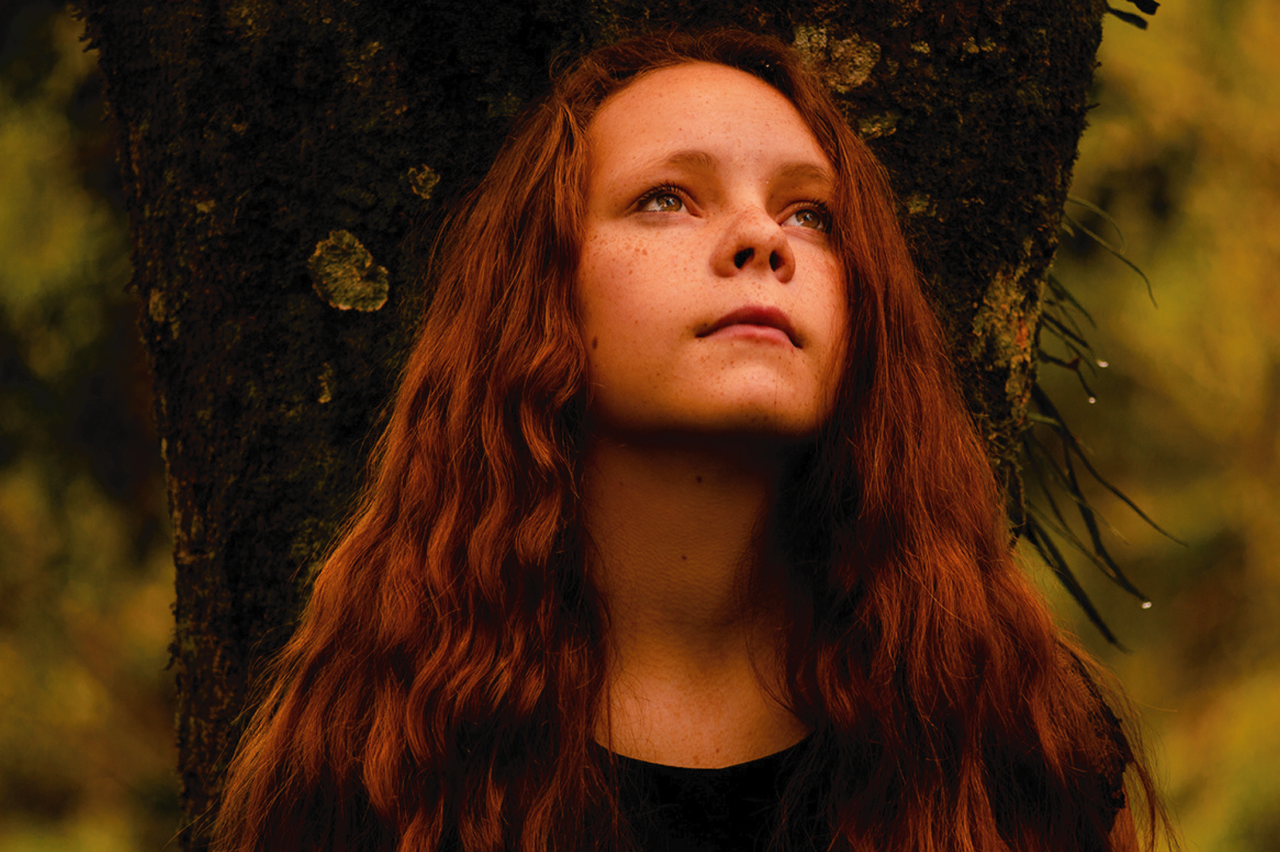
Redheads are a rare and striking breed, with people who sport natural ginger locks making up less than 2% of the global population. Moreover, with such low numbers, a persistent internet myth claims that red hair could soon go extinct. So, will the world eventually have natural hair hues ranging from black to blond, with nary a hint of red? In a word, no. Leading geneticists told Live Science that the unique genetics of red hair ensures the trait is firmly sticking around for centuries to come.
The myth of an impending redhead extinction is not new at all and resurfaces every few years online. In fact, experts say this question has circulated for decades. “The ‘Is red hair becoming extinct?’ question has been around for decades,” said Ian Jackson, a professor emeritus at the University of Edinburgh’s Institute of Genetics and Cancer. “There have also been extinction stories about blond hair that go back to the mid-19th century.”
The flawed logic behind the supposed extinction usually goes like this: Red hair is extremely rare, and even in its global hotspots like the United Kingdom and Ireland, only about 10% of the population has red hair. Furthermore, red hair is a recessive trait, meaning two carriers must get together to have a redheaded child. Therefore, people assume the trait will inevitably vanish.
There is also concern about health risks. While there are people of color with red hair, including Malcolm X who famously had reddish hair, red hair is often linked with very pale skin and elevated skin-cancer risk. Consequently, some wonder if conditions like melanoma might eventually wipe out redheads.
The Genetics That Keeps The Flame Alive: The MC1R Gene
Experts unanimously agree that these issues will not doom redheads to extinction, and the answer lies in hidden genetics.
“There is no evidence that redheads are going extinct,” said Katerina Zorina-Lichtenwalter, a research associate at the University of Colorado Boulder’s Institute for Behavioral Genetics who has studied red hair inheritance. She explained that the genes responsible for red hair “are harmless, they do not interfere with reproduction and they are not linked to a disease that would prevent people from reaching reproductive age.”
To have natural red hair, a person needs to inherit the recessive version of the MC1R gene from both parents. MC1R is a gene directly involved in pigment production. Someone with only one copy of the variant may not have red hair at all, but they can still silently pass the variant to their children. This hidden-carrier effect is precisely why a recessive trait can remain in a population even when it is uncommon to see. The role of carrying red hair genes is shared by people of all hair colors, not just redheads themselves.
Professor Jackson gave a simple example to illustrate this point. If a variant is carried by half the population, only about a quarter of couples would both carry it. Among those carrier couples, roughly one-quarter of children would then inherit two copies and have red hair. As a result, the gene pool preserves the trait even when redheads are not visibly common.
Does Skin Cancer Risk Threaten Redheads’ Survival?
Redheads do face a higher risk of melanoma, but not only because they burn more easily in the sun. It is also due to harmful chemistry from pheomelanin, the pigment that helps create the reddish hair hue, and reduced DNA-repair protection linked to MC1R variants.
Professor Jonathan Rees, professor emeritus of dermatology at the University of Edinburgh, said people with MC1R variants have a greater skin-cancer risk “somewhere in the region of two to four fold.” However, skin cancer risk does not automatically equal evolutionary decline. Many skin cancers develop after people have already had children and passed on their genes. In fact, mortality rates for melanoma in the U.K. are highest in people aged 90 and older, according to Cancer Research UK, long after they have had time to pass on their MC1R variants.
For red hair to truly disappear, the relevant variants would have to be steadily and completely removed from the gene pool. In evolutionary terms, that would usually mean people carrying these variants were having significantly fewer children than everyone else. “The only reason things go extinct in large populations is because you don’t produce as many kids as the others, to put it in blunt terms, and I don’t know that there’s any evidence for that,” said Rees.
Surprising Evolutionary Advantages of Red Hair
Theoretically, before the invention of sunscreen and modern medicine, it may have been more likely for redheads to die of skin cancer before having children. Given that the trait has persisted for thousands of years, researchers now ask if there are any evolutionary benefits to having red hair. Recent research suggested that the red-hair pigment pheomelanin can actually help regulate excess cellular cysteine, which can be harmful at high concentrations in the body. Therefore, the pigment itself may offer a surprising cellular advantage.
“The vitamin D story is the one that people most often peddle,” Rees said. The idea is that lighter pigmentation linked to red hair increases the amount of vitamin D people can make during gloomy northern winters. However, he added that evidence there remains lacking, especially because red hair exists on a spectrum. Where does red hair end and strawberry blond hair begin? That makes it hard to study without sequencing the genomes of large populations.
However, the frequency of red hair could still fluctuate over time. Jackson said the frequency may “go down somewhat as people become more mobile” and have children with partners from regions where MC1R variants are less common. But he emphasized that would be a change in frequency, not a true extinction.
Final Analysis: Why Redheads Are Not Going Anywhere
As long as MC1R variants persist silently in millions of hidden carriers worldwide, and as long as redheads are not having significantly fewer children, the world’s redheads are not about to disappear. In short, genetics protects rarity, and recessive traits are remarkably resilient.
Q&A: What Readers Ask Most
Q: How rare is natural red hair globally?
Natural red hair is the rarest hair color in the world, occurring in less than 2% of the global population, with the highest concentration of about 10% in Scotland and Ireland.
Q: Is red hair a recessive gene?
Yes, red hair is caused by recessive variants of the MC1R gene. You must inherit two copies, one from each parent, to have red hair, but carriers with one copy can still pass it on.
FAQ – Optimized for Answer Engine
Are redheads really going extinct?
No, redheads are not going extinct. Experts confirm there is no scientific evidence for redhead extinction because the MC1R gene is harmless, does not affect reproduction, and is carried silently by millions of non-redheads.
Why is red hair so rare?
Red hair is rare because it requires two copies of the recessive MC1R gene variant. Since many carriers do not have red hair themselves, the trait appears less frequently than the gene actually exists in the population.
Do redheads have a higher risk of skin cancer?
Yes, people with MC1R variants have a 2 to 4 times higher risk of melanoma due to fair skin that burns easily, harmful effects of pheomelanin pigment, and reduced DNA repair, so they need extra sun protection.
Will there be fewer redheads in the future?
The percentage of redheads may decrease slightly as global mobility increases and people have children with partners from regions where MC1R is less common, but the trait will not disappear completely.
Disclaimer: This article is for general informational and educational purposes only and is based on expert commentary reported by Live Science and genetic research from the University of Edinburgh and University of Colorado Boulder. It does not constitute medical or genetic advice.