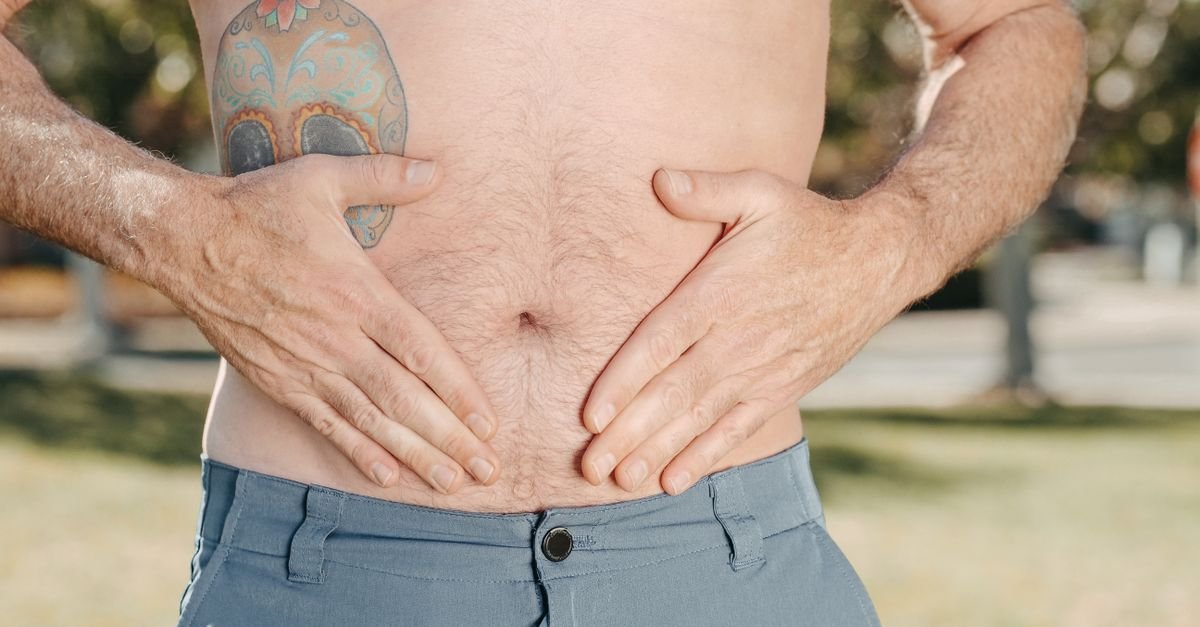
Many men overlook the subtle signs of pelvic floor dysfunction, often dismissing a dull ache in the groin as simple stress or aging. Consequently, they fail to realize that the problem often lies within a complex network of muscles, ligaments, and nerves at the body’s base. This essential sling supports the bladder, bowels, and reproductive organs, yet its importance in men remains largely ignored by the general public.
Pelvic floor issues frequently manifest as an urgent need to urinate or a persistent feeling of unexplained tightness within the lower pelvic region. Furthermore, when these muscles become either too weak or overly tense, men can experience significant challenges like incontinence or chronic erectile dysfunction. Because these signs are so subtle, many individuals mistakenly attribute their discomfort to intense workouts or the natural progression of time.
The Reality of the “Silent” Disorder
Current estimates suggest that one in six men may suffer from a pelvic floor disorder, yet most remain entirely unaware of the condition. Historically, medical professionals have often mistaken pelvic pain or urinary trouble for more alarming issues like prostate infections, STDs, or even cancer. This lack of awareness keeps male pelvic health in the shadows while women’s health continues to receive much-needed attention and research.
Understanding the Causes of Pelvic Tension
Pelvic floor dysfunction occurs when these internal muscles lose their natural balance, becoming either overly rigid or too lax to function correctly. For most men, the primary issue stems from excessive tightness caused by muscles remaining in a near-constant state of involuntary contraction. Additionally, chronic anxiety and psychological stress can lead to unconscious clenching, which eventually locks the pelvic muscles into a state of rigidity.
Physical Triggers and Lifestyle Factors
Habits such as prolonged sitting, chronic constipation, or holding in urine for extended periods can significantly exacerbate tension within the pelvic floor. Certain physical activities, including long-distance cycling, may irritate the pudendal nerve, which controls vital sensations in the perineum and genital regions. Meanwhile, some men develop overly lax muscles following prostate cancer treatments or surgeries that impact the integrity of the pelvic region.
Analysis: The Equation of Muscular Balance
Optimal pelvic health requires a delicate harmony between muscular strength and the ability to fully relax these deep tissues during daily activities. Strengthening is not always the answer, as adding tension to already tight muscles can actually worsen pain and increase urinary dysfunction. Therefore, the focus should remain on maintaining flexibility and functional control rather than just raw power or constant contraction.
How to Maintain a Healthy Pelvic Floor
- Master Diaphragmatic Breathing Incorporating deep diaphragmatic breathing into your daily routine is one of the most effective ways to naturally lengthen and relax the pelvic muscles. When you inhale deeply into your abdomen, your pelvic floor naturally drops; as you exhale, the muscles gently lift without any forceful strain.
- Focus on Mobility and Stretching Tight hamstrings, glutes, and hips often force the pelvic floor to overcompensate, leading to increased tension and localized pain throughout the lower body. Regular stretching helps maintain the natural flexibility of these supporting structures, ensuring that the pelvic floor can move through its full range of motion.
- Use Kegels with Caution While Kegel exercises are often recommended for weakness, they can actually be harmful to men who already suffer from excessively tight pelvic muscles. These exercises are typically most beneficial for those recovering from prostate surgery, but individuals with tension-based pain should prioritize relaxation techniques instead.
Frequently Asked Questions (FAQ)
Why is pelvic floor dysfunction often misdiagnosed in men?
Symptoms like urinary urgency and groin pain closely mimic common conditions such as prostate infections or bladder issues, leading to frequent medical confusion.
Can stress actually cause physical pelvic pain?
Yes, chronic anxiety often leads to unconscious muscle clenching, which can trap the pelvic floor in a painful and rigid state of contraction.
How does cycling affect the pelvic floor?
Prolonged cycling can place direct pressure on the pudendal nerve, causing irritation that leads to numbness or discomfort in the perineum and genitals.
Summary Q&A Section
Q: What is the most effective way to relax the pelvic floor?
A: Deep diaphragmatic breathing helps the muscles naturally lengthen on the inhale, providing a simple yet powerful way to release deep internal tension.
Q: Are Kegel exercises always good for men?
A: No, they are primarily helpful for weakness after surgery; men with tight, painful pelvic floors should avoid them to prevent worsening their symptoms.
Q: When should a man seek professional help for pelvic pain?
A: You should consult a specialist if you experience persistent groin aches, urinary urgency, or sexual dysfunction that does not improve with lifestyle adjustments.