
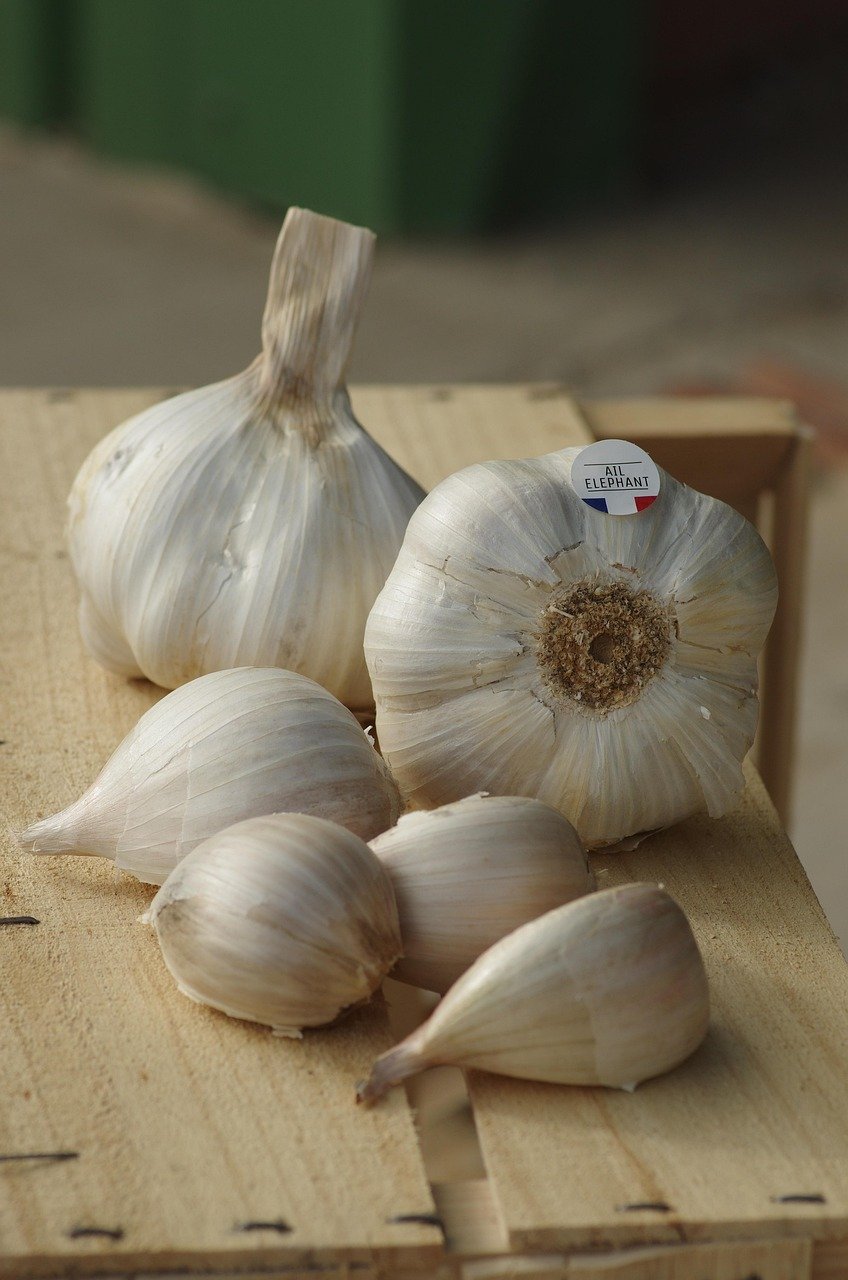
Can a simple compound found in a common kitchen ingredient help protect vital muscle health as people age across the globe? New research from Japan suggests that a bioactive compound in aged garlic extract may hold the secret to reducing muscle frailty in older adults. Scientists have identified S-1-propenyl-L-cysteine (S1PC) as the key element that strengthens the critical communication between fat tissue and the human brain.
As global populations continue to get older, healthcare systems face rising burdens linked to muscle frailty and the loss of physical vitality in seniors. While expensive medications exist for age-related conditions, researchers are now searching for sustainable and affordable nutraceuticals that are backed by strong scientific evidence. Consequently, a team from the Institute for Research on Productive Aging (IRPA) and Wakunaga Pharmaceutical Co. investigated natural compounds to find proactive interventions.
How S1PC Activates the Body’s Anti-Aging Pathways
The research team discovered that the S1PC compound activates liver kinase B1, an essential enzyme that regulates cellular metabolism within our bodies. Furthermore, this activation triggers the SIRT1 pathway, which increases the secretion of a protective molecule called extracellular NAMPT from our adipose or fat tissue. This molecule plays a truly important role in producing NAD+, which is essential for energy production, DNA repair, and general cell protection.
Analysis: The Unique Fat-Brain-Muscle Communication Link
This study reveals a newly identified communication pathway where eNAMPT travels through the bloodstream from fat tissue directly to the brain’s hypothalamus. Instead of acting directly on muscle tissue, this signaling increases sympathetic nervous system activity, which then leads to improved skeletal muscle performance. Therefore, the health of our muscles is surprisingly dependent on how effectively our fat tissue communicates with the control centers in our brain.
Proven Results in Mice and Human Trials
Researchers tested the long-term effects of S1PC in aged mice and observed significantly lower frailty scores and increased skeletal muscle strength. Additionally, a human study confirmed that S1PC increased circulating eNAMPT levels, particularly in participants who possessed a sufficient amount of fat tissue. These consistent results across cells, mice, and humans highlight the incredible potential of aged garlic extract as a viable anti-aging intervention.
A Proactive Future for Senior Fitness
Dr. Kiyoshi Yoshioka, a lead author of the study, expressed his frustration seeing older adults lose vitality simply because they lacked specific medical diseases. He hopes these findings will encourage the simple inclusion of this nutraceutical in daily diets to improve fitness and strength in the elderly. Ultimately, this research provides a science-based foundation for using aged garlic extract to combat the physical decline often associated with the aging process.
Q&A: Understanding the Power of Aged Garlic
Q: Does eating regular raw garlic provide the same anti-aging benefits as aged garlic extract?
A: The study specifically identifies S1PC, a bioactive compound found in aged garlic extract, which may not be present in the same concentrations in raw garlic.
Q: How does the compound in garlic actually reach the brain to help muscles?
A: S1PC triggers fat tissue to release eNAMPT, which then travels through the bloodstream to the hypothalamus to signal for better muscle performance.
FAQ: Frequently Asked Questions About S1PC
- What is S1PC? S1PC stands for S-1-propenyl-L-cysteine, which is a bioactive compound found in aged garlic extract that has shown significant anti-aging muscle benefits.
- How does S1PC improve energy in cells? It helps increase the secretion of eNAMPT, which is a vital component in the production of NAD+, a molecule essential for energy and repair.
- Was the research conducted on humans? Yes, the researchers conducted a human study which showed that S1PC successfully increased circulating levels of eNAMPT in the participants’ blood.
- Can this garlic compound reduce physical frailty? The study demonstrated that long-term treatment with S1PC lowered frailty scores and restored core body temperature in aged laboratory mice.