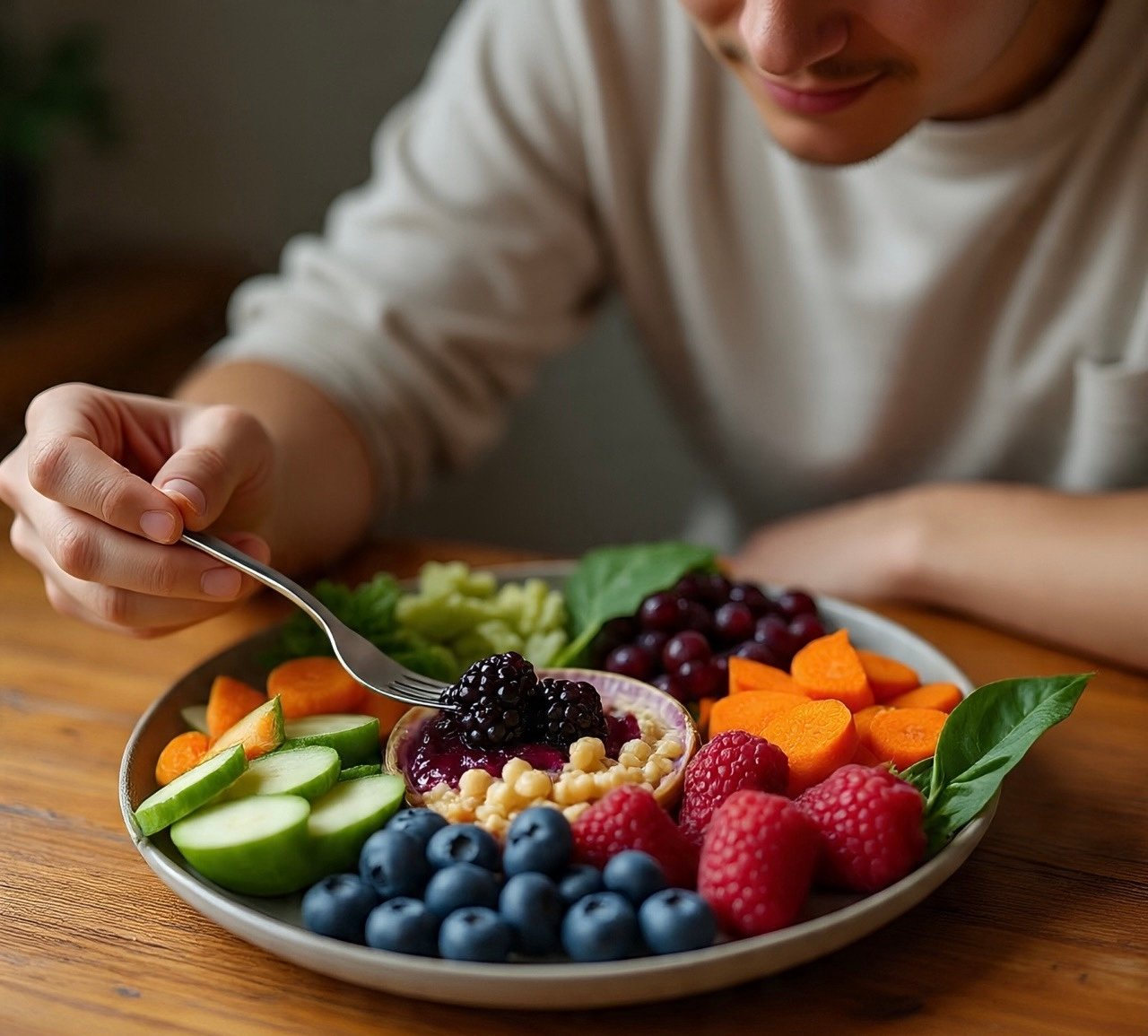

Older adults face a significantly greater risk of infections and chronic illnesses because their immune systems naturally decline as they age over several decades. Consequently, making prevention a primary focus through targeted nutrition is essential for maintaining long-term health and ensuring a much faster recovery after any illness.
As people grow older, they experience a biological process called immunosenescence, which is the gradual weakening of the body’s complex and vital immune system. This natural decline makes infections more common, causes recovery to be much slower, and often renders standard vaccines less effective for the aging population. Furthermore, chronic diseases like diabetes, hypertension, and heart disease can further weaken immunity, although balanced nutrition and proper hydration can help offset these changes.
Common Nutrient Deficiencies to Identify
Older adults are at a much higher risk of nutritional deficiencies due to a reduced appetite, persistent chewing problems, or poor intestinal absorption. Specifically, vitamin D deficiency is remarkably common among seniors because of minimal sun exposure and the reduced ability of the skin to synthesize this nutrient. Additionally, deficiencies in vitamin B12, zinc, iron, and selenium are frequently observed, which directly compromise the body’s natural defense mechanisms against pathogens.
Analysis: The Role of “Food as Medicine”
The transition from a high-calorie diet to a nutrient-dense diet represents a critical shift for seniors aiming to preserve their independence and daily vitality. By prioritizing foods that promote antibody production, individuals can effectively manage the biological impact of immunosenescence and improve their overall quality of life. Ultimately, this proactive nutritional approach serves as a powerful defense against the onset of chronic conditions that typically affect people in their later years.
The Essential Immunity-Boosting Menu
Certain categories of food significantly promote immune function and provide the necessary building blocks for maintaining a strong and healthy body.
- Protein for Repair: Essential for manufacturing antibodies and immune cells, you should consume high-quality sources like eggs, fish, poultry, legumes, and nuts.
- Vitamin D and Zinc: Fortified milk and fatty fish lower infection risks, while zinc from pumpkin seeds and chickpeas supports vital T-cell function.
- Antioxidants (Vitamins C & E): Citrus fruits, bell peppers, and sunflower seeds provide high benefits by protecting cells from oxidative stress and harmful inflammation.
- Omega-3 and Gut Health: Fatty fish and walnuts reduce systemic inflammation, while yogurt with live cultures preserves the vital microbiome balance in your gut.
The Silent Danger: Managing Hydration
Older people often have an impaired sensation of thirst, which puts them at a dangerous risk of easy and frequent dehydration during summer. Proper fluid intake is necessary to maintain healthy mucous membranes, aid the flow of immune cells, and avoid sudden feelings of weakness or confusion. Besides plain water, you can stay hydrated by consuming nutritious soups, lemon water, buttermilk, herbal teas, and water-rich fruits like oranges or watermelon.
Whole Foods vs. Supplements
Whole foods should always be your first choice because they provide essential fiber and antioxidants in addition to their concentrated and natural nutrient content. Supplements can be useful in specific cases of documented deficiency or reduced appetite, but you must take them only under a doctor’s supervision. This medical oversight is crucial because consuming too much of certain vitamins can actually turn out to be more harmful than the original deficiency.
Q&A: Navigating Senior Nutritional Health
Q: Can a better diet really make vaccines more effective for seniors?
A: Yes, correcting nutrient deficiencies strengthens the immune response, which can help the body react more effectively to vaccines and provide better protection.
Q: Why do older adults lose their sense of thirst so easily?
A: Aging can naturally dull the biological signals that tell the brain the body needs water, making scheduled hydration habits very important for safety.
FAQ: Frequently Asked Questions About Aging and Immunity
- What exactly is immunosenescence?
It is the gradual weakening of the immune system as people age, making them more susceptible to illnesses and slowing their natural recovery time.
- Which minerals are most important for immune cell function?
Zinc and selenium are vital minerals that support the manufacturing of T-cells and the body’s general defense mechanism against invading viruses or bacteria.
- How does gut health affect my overall immunity?
A balanced gut microbiome, supported by probiotics and fiber, acts as a primary barrier against infection and supports the entire immune system’s efficiency.
- Is it safe for seniors to take high-dose vitamins?
No, you should never take high-dose supplements without a doctor’s guidance, as excessive intake can cause toxicity or interfere with other essential medications.