
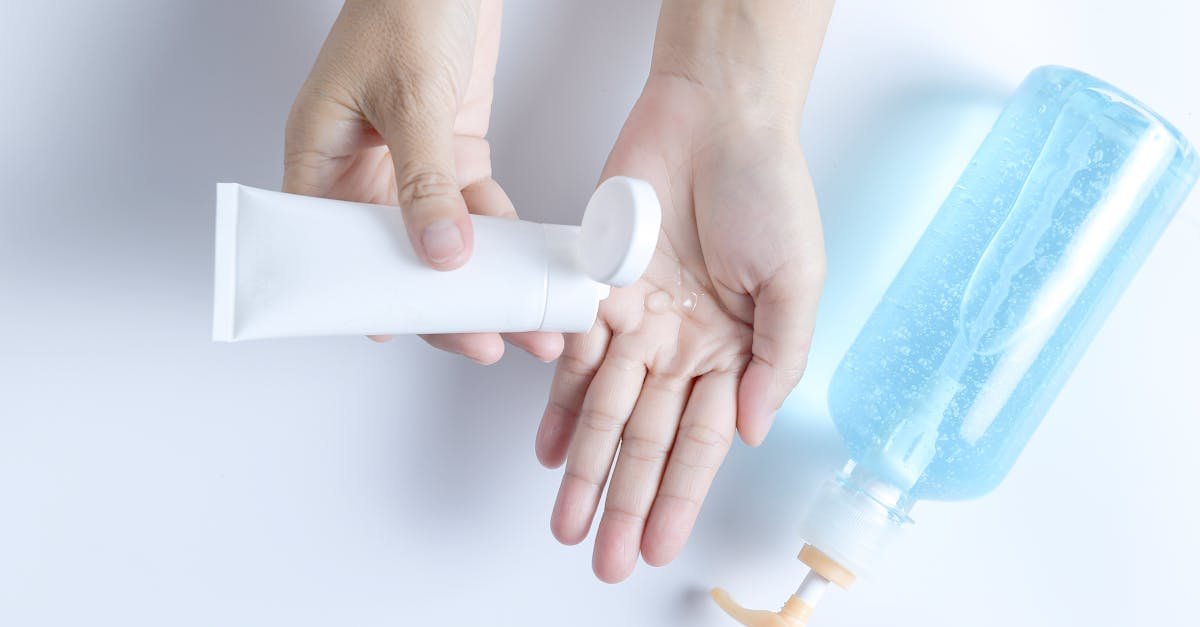
Summer is finally here, and it is time to move away from your heavy winter moisturisers toward much lighter, refreshing skincare lotions. Choosing between a cream or gel-based product during the hotter months is determined primarily by your specific skin type and environment.
Cream-based moisturisers are generally more nourishing and assist in skin barrier restoration, making them perfect for those with dry or sensitive skin. These products work exceptionally well in air-conditioned rooms, though they can feel quite heavy and greasy in humid climates.
Conversely, gel-based moisturisers are lighter, water-based products that the skin absorbs easily without clogging pores or leaving a greasy residue. These are appropriate for oily, acne-prone, and combination skin types because they offer excellent hydration during hot summer days. Furthermore, hyaluronic acid is an ideal ingredient for gel moisturisers, whereas ceramides are better suited for cream-based barrier repair.
Why Your Skin Type Dictates Your Choice
The choice between gel and cream is more than just a matter of texture; it is a strategic decision based on environmental humidity. While dry skin needs the ceramide-rich barrier of a cream, oily skin thrives under the breathable, hydrating layer provided by a water-based gel. Consequently, choosing the wrong formula can lead to either clogged pores in humid weather or insufficient hydration in dry, air-conditioned spaces.
Understanding the Danger of UV Radiation
According to Harvard Health, about 95% of the UV radiation reaching our skin is ultraviolet A (UVA) light. This radiation is mainly responsible for chronic effects such as photoageing, wrinkling, and the development of dark age spots.
On the other hand, ultraviolet B (UVB) rays are potentially even more harmful, acting as the primary cause of painful sunburns. Since both UVA and UVB may cause skin cancer, using sunscreen becomes even more important during the intense summer season.
Expert Sunscreen Tips for Maximum Protection
To keep your skin healthy, Harvard Health recommends several essential tips for choosing and applying the right sunscreen this summer. First, always use a sunscreen with a sun protection factor (SPF) of 30 or higher when you are stepping outdoors.
Additionally, you should apply your sunscreen 15 to 30 minutes before leaving the house to allow it to bond with your skin. It is also crucial to re-apply the product at least every two hours to maintain its protective effectiveness. Finally, remember to wear protective clothing and sunglasses to avoid tanning and severe sunburns while outside.
Q&A: Navigating Summer Skin Health
Q: Does my skin color affect whether I need to wear sunscreen?
A: No, you should wear sunscreen regardless of your skin color because everyone is at risk of the adverse effects of UV radiation.
Q: Which moisturiser is best for someone working in a cold office?
A: Cream-based moisturisers are best for people who spend a lot of time in air-conditioned rooms as they restore the skin barrier.
FAQ: Common Summer Skincare Questions
- Which moisturiser is better for acne-prone skin? Gel-based moisturisers are appropriate for acne-prone skin because they hydrate without clogging pores or leaving the skin feeling greasy.
- What is the main cause of wrinkles and age spots? UVA radiation is the primary culprit behind chronic skin effects like photoageing, wrinkling, and the appearance of age spots.
- How often should I re-apply my sunscreen? You should re-apply your sunscreen at least every two hours, especially if you are spending extended time in the sun.
- What are the best ingredients for hydration? Hyaluronic acid is an excellent ingredient for hydration in gel moisturisers, while ceramides help repair the skin barrier in creams.