
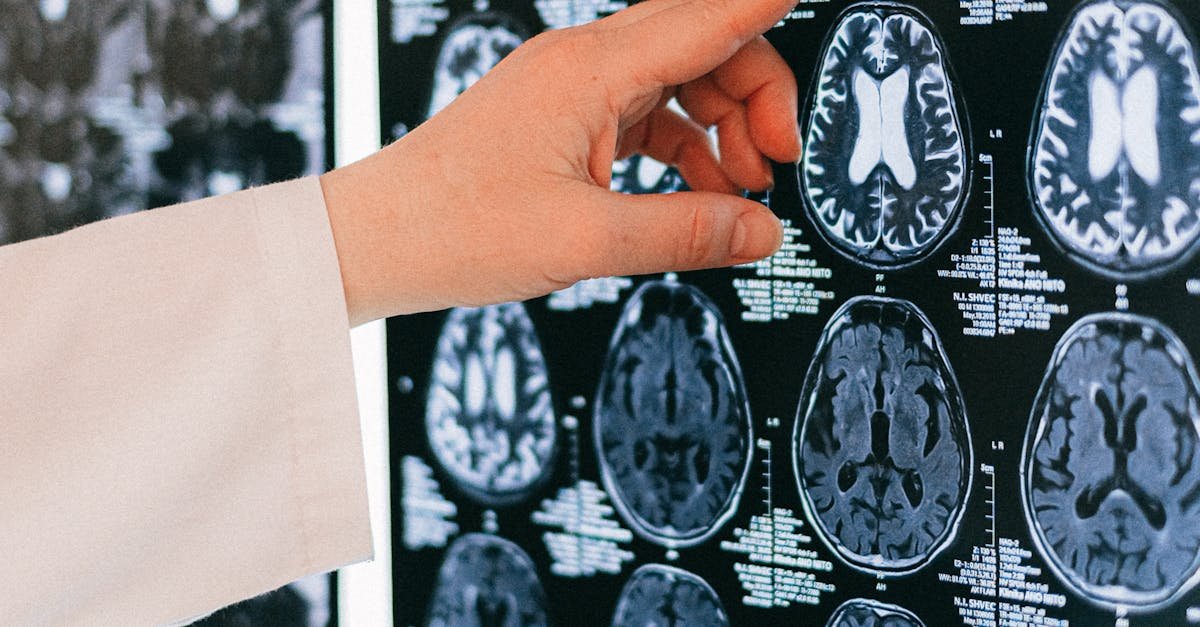
Early life nutrition choices do more than just affect a child’s immediate weight. They actually leave lasting, hidden imprints on how the brain manages hunger throughout adulthood. A groundbreaking study from University College Cork (UCC) reveals that unhealthy foods reshape vital brain pathways. Crucially, this disruption can persist even after children return to healthy weights and improve their diets.
Children today live in environments flooded with easily accessible, high-sugar snacks and fatty treats. Society frequently uses these energy-dense foods as rewards for school achievements or good behavior. Unfortunately, this repeated exposure shapes food preferences and reinforces unhealthy eating habits for years to come. Research shows these diets specifically target and disrupt the hypothalamus region of the brain. Ultimately, the hypothalamus is critical because it regulates appetite and manages a person’s energy balance.
Restoring the Brain via Gut Bacteria
Thankfully, targeting the gut microbiota can mitigate these long-term neurological effects on feeding behavior. Scientists have identified a specific beneficial bacterial strain called Bifidobacterium longum APC1472. This probiotic significantly improved feeding behaviors while maintaining a healthy overall microbiome balance. Additionally, prebiotic fibers like FOS and GOS showed significant potential for recovery across the lifespan. These fibers are naturally found in common foods like onions, garlic, bananas, and asparagus.
Supporting Long-Term Health From Birth
Revealing how early-life diets shape brain pathways opens new opportunities for innovative, microbiota-based medical interventions. Supporting a healthy gut from birth helps children maintain much better food-related behaviors into adulthood. Researchers believe these findings are a major step toward solving significant societal challenges like obesity. Understanding that what we eat early matters can lead to healthier outcomes for future generations.
Facts About Brain Health and Diet
- Permanent Shifts: Early poor diets disrupt brain pathways involved in controlling eating into adulthood.
- Invisible Risks: Standard weight measurements do not always reflect hidden damage to the brain.
- Microbial Solutions: Specific gut bacteria can actively repair and restore appetite regulation systems.
Critical Analysis
The research from University College Cork provides a vital link between early nutrition and lifelong neurological health. It successfully highlights that weight is often a poor indicator of a person’s internal brain status. However, the study primarily utilized a preclinical mouse model, which requires further validation through human trials. Despite this, the evidence for microbiota-based interventions offers a hopeful path for treating metabolic issues. Public health policies regarding food marketing to children must now account for these lasting brain changes.
Q&A: Navigating the Gut-Brain Connection
Q: Does early weight gain accurately predict future brain health?
A: Not necessarily, because hidden neurological effects can exist even if body weight appears normal.
Q: Can prebiotic fibers help restore healthy adult eating habits?
A: Yes, prebiotic fibers broadly change gut composition to support healthier food-related behaviors.
FAQ
What specific brain region is most affected by early diet?
The hypothalamus is the primary center disrupted by high-fat and high-sugar diets.
When is the best time to start supporting gut health?
Supporting the gut microbiota from birth helps maintain healthy behaviors throughout the entire lifespan.
Are these prebiotic fibers available in natural foods?
Yes, they are naturally present in bananas, leeks, onions, garlic, and several prebiotic supplements.