
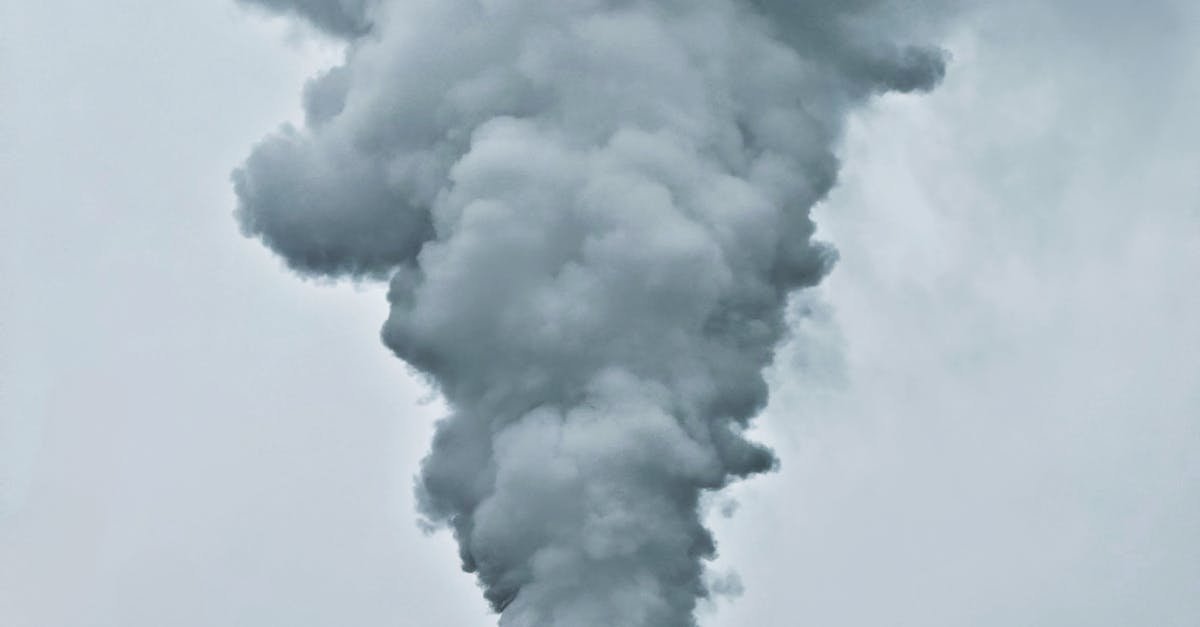
Air pollution has long been linked with heart disease and lung disorders, but new evidence reveals it accelerates Alzheimer’s progression significantly.
A groundbreaking study by the University of Pennsylvania’s Perelman School of Medicine provides the first neuropathological proof of this connection.
Published in JAMA Neurology, the study highlights the urgent health risks posed by declining global air quality across developed and developing nations.
What the Penn Medicine Study Revealed
Researchers examined over 600 post-mortem brain samples from Alzheimer’s patients stored in the Penn Medicine Brain Bank.
They mapped fine particulate matter (PM2.5) exposure using geographic data and compared it with amyloid plaques and tau tangles in the brain.
Patients living even one year in polluted regions showed greater toxic protein accumulation compared to those in cleaner environments.
Toxic Proteins Drive Faster Cognitive Decline
Higher PM2.5 exposure was strongly associated with memory loss, reduced independence, and poor decision-making among Alzheimer’s patients.
This means pollution exposure worsens the disease’s devastating impact, stripping away abilities faster and intensifying the burden on caregivers.
Why Fine Particulate Matter Is Especially Dangerous
PM2.5 particles are smaller than 2.5 micrometers, making them nearly invisible and easily inhaled into the lungs and bloodstream.
Sources include traffic emissions, wildfires, industrial activity, and construction dust, all increasingly common in urban and semi-urban areas.
Once inside the body, these particles cross into the brain, triggering inflammation, oxidative stress, and harmful protein buildup.
Environmental Factors, Not Just Genetics, Shape Progression
Dr. Edward Lee, co-director of the Penn Institute on Aging, explained that pollution does not merely increase dementia risk.
Instead, environmental exposure actively worsens existing Alzheimer’s, making it a crucial target for public health intervention.
Unlike genetic factors, pollution exposure is modifiable, meaning clean air policies could protect millions of aging individuals.
Numbers That Show the Risk Clearly
The study found that every 1 microgram per cubic meter increase in PM2.5 raised the risk of worse pathology by 19 percent.
Such findings show that even small increases in pollution can cause substantial deterioration in brain health among vulnerable groups.
Environmental Justice Concerns
Communities living near highways, industrial plants, and busy urban centers often face greater exposure to PM2.5 particles.
These communities frequently overlap with socioeconomically disadvantaged groups, worsening existing health inequalities and dementia progression rates.
Policy Implications: Cleaner Air for Healthier Brains
Experts argue that stricter emission limits, renewable energy adoption, and better monitoring systems could protect cognitive health globally.
Cleaner air not only reduces respiratory and cardiovascular risks, but also slows Alzheimer’s progression, saving healthcare and caregiving costs.
Q&A Section
Q: How does air pollution worsen Alzheimer’s?
Fine particulate matter penetrates the brain, causing protein buildup and inflammation, which accelerates memory loss and cognitive decline.
Q: Is short-term exposure harmful?
Yes. Even one year of higher PM2.5 exposure was linked to significantly worse Alzheimer’s brain pathology.
Q: Who faces the greatest risk?
Populations near highways, factories, or industrial areas, often lower-income communities, are more exposed and therefore more vulnerable.
Frequently Asked Questions
Does air pollution cause Alzheimer’s?
It may not cause the disease directly, but it accelerates progression and increases severity.
Can lifestyle changes protect brain health?
Yes. Using air purifiers, checking pollution alerts, and avoiding outdoor activity in polluted areas can reduce risks.
What policies could help protect populations?
Stricter emission standards, renewable energy adoption, and cleaner transportation options are vital measures.
Conclusion: Protecting Memory by Protecting the Air
The Penn Medicine study confirms Alzheimer’s progression is shaped not only by biology, but also by the environment.
Cleaner air means stronger brains, longer independence, and better quality of life for millions of people worldwide.
⚠️ Disclaimer: The information provided in this article is for general informational purposes only and should not be considered medical advice. Always consult a qualified physician or healthcare professional before starting any new health practice, treatment, or following the tips mentioned here.