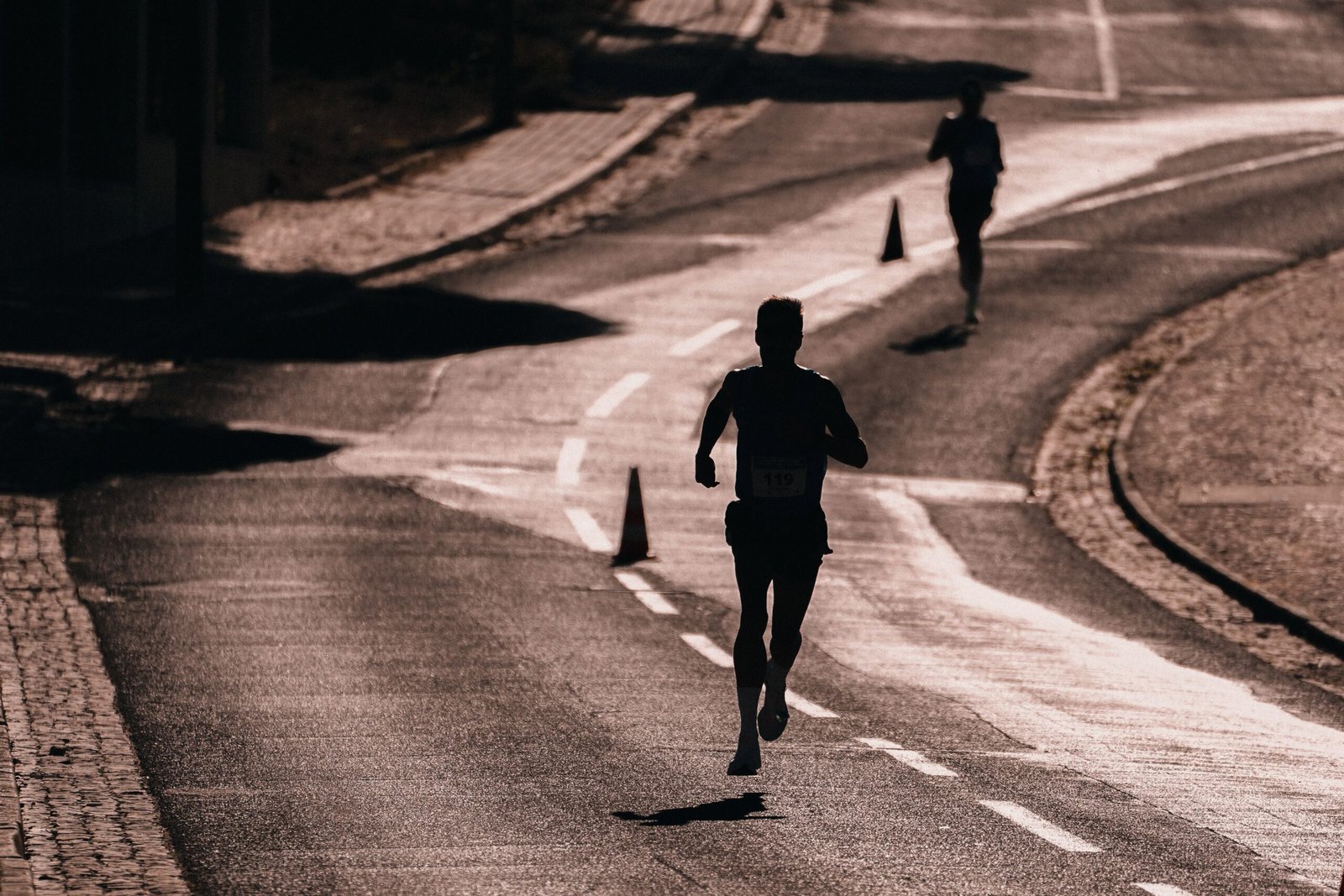
New research to be presented at Annual Meeting of European Association for the Study of Diabetes EASD in Milan, Italy, Sept 28th – Oct 2nd shows, with use of continuous glucose monitoring CGM devices people with type 1 diabetes can complete marathon safely and achieve finishing times similar to runners without diabetes.
Study is conducted by Michal Kulecki, Dr Andrzej Gawrecki, and colleagues at Poznan University of Medical Sciences and Raszeja City Hospital, Poznan, Poland. Completing marathon with type 1 diabetes T1D requires balancing energy expenditure, carbohydrate intake, insulin adjustment, and glucose monitoring. Evidence on blood sugar patterns and CGM accuracy during prolonged endurance exercise under real-life race conditions is limited.
Researchers therefore assessed glucose levels, carbohydrate intake, and CGM accuracy during 2025 Poznan Marathon, standard 42 km race.
Study Design: 20 Amateur Runners – 10 With T1D Vs 10 Controls
Observational study included 20 amateur runners: 10 with T1D of at least 1 year’s duration and 10 controls without diabetes. For participants with T1D, target pre-race glucose range was 140-200 mg/dL. Basal insulin dose was reduced by 25% in multiple daily injections and by 50% in non-hybrid insulin pumps, while participants using hybrid closed-loop systems set target glucose of 150 mg/dL.
Five participants used multiple daily injections MDI, three used continuous subcutaneous insulin infusion CSII, and two used automated insulin delivery AID systems.
At five checkpoints start, 10 km, 19 km, 30 km, and finish, glucose was measured with glucometer and compared with two CGM systems, one intermittently scanned and one in real-time. Researchers administered carbohydrates or insulin as required.
They evaluated CGM accuracy using standard method for these devices called mean absolute relative difference MARD, which represents average absolute percentage difference between sensor glucose readings and reference glucose values. Participants with and without T1D showed comparable baseline characteristics. They did not differ significantly in age 35.4 vs 39.7 years, and each group included 8 men and 2 women. In T1D group, participants had median diabetes duration of 16.5 years and glycated haemoglobin HbA1c of 6.4%.
Marathon Performance Comparable – 228 Minutes Vs 248 Minutes
Marathon performance did not differ significantly between groups, with completion times of 228 minutes in T1D and 248 minutes in controls. All 10 runners with type 1 diabetes completed marathon. During race, participants with T1D consumed median of 53.5 g of carbohydrate per hour, equivalent to 2.61 g/kg body weight over marathon.
Capillary glucose measured with glucometer was 183.5 mg/dL at start, 119.5 mg/dL at 10 km, 142.5 mg/dL at 19 km, 121.5 mg/dL at 30 km, and 108.5 mg/dL at finish, median values.
Two hypoglycaemic measurements occurred in same participant, who nevertheless completed race. This participant consumed 49.5 g of carbohydrate per hour and had started below 140 mg/dL.
CGM Accuracy Reduced During Marathon – Overestimated By 32-50 mg/dL
CGM accuracy was reduced during marathon. CGM readings differed from glucometer measurements by average of approximately 43% for intermittently scanned system and 37% for real-time system and overestimated capillary glucose by +32.2 and +50.4 mg/dL, respectively. Therefore, sensor tended to show higher glucose than fingerstick during prolonged endurance.
Authors say: “In this small observational study, all runners with type 1 diabetes completed marathon, with performance comparable to controls. Runner who experienced low blood sugar had started race with glucose level below 140 mg/dL.”
“During marathon, CGM readings differed from glucometer measurements. For longer endurance events, runners should therefore consider checking their glucose with glucometer, especially when sensor reading does not match how they feel,” they added.
Analysis: Fear Of Hypoglycemia Main Barrier – 45% Affected
They add: “Fear of hypoglycaemia is main barrier to physical activity and affects up to 45% of people with T1D despite major health benefits of regular exercise. Managing glucose is challenging when glucose levels change rapidly and responses vary between individuals.”
“Our study provides another example that, with appropriate education and careful blood sugar management, people with T1D can successfully take part in even very demanding endurance exercise,” authors said.
But they also explain: “People with T1D preparing for marathon should discuss individual glucose, carbohydrate, and hydration plan with doctors before event. Most important aspect is appropriate insulin management strategy, including reductions in basal and/or prandial insulin.”
“Of course, much depends on baseline blood sugar control, exercise experience, diabetes duration, presence of diabetes-related complications, and many other individual factors. For example, some people should consult cardiologist before starting endurance training.”
“Our team supports many athletes with type 1 diabetes who have achieved remarkable goals, including competing at Olympic Games, completing Ironman triathlon or running 10 marathons in 10 consecutive days,” team noted.
Q&A
Q: Can people with type 1 diabetes complete a marathon safely?
A: Yes, EASD Poznan study of 2025 marathon found all 10 T1D runners finished in median 228 minutes vs 248 controls, with target pre-race glucose 140-200 mg/dL and basal insulin reduced 25-50%.
Q: Is CGM accurate during a marathon for type 1 diabetes?
A: Accuracy reduced during race; intermittently scanned CGM differed by 43% and real-time by 37%, overestimating capillary glucose by +32.2 and +50.4 mg/dL, so glucometer check advised.
Q: How many carbs do T1D runners need during marathon?
A: Study participants consumed median 53.5 g carbohydrate per hour, 2.61 g/kg over marathon, with glucometer checks at start, 10km, 19km, 30km, finish.
FAQ
1. Where will marathon diabetes study be presented?
Research to be presented at Annual Meeting of European Association for the Study of Diabetes EASD in Milan, Italy, Sept 28-Oct 2, by Poznan University of Medical Sciences team.
2. What insulin adjustments were made for marathon?
Basal insulin reduced by 25% for MDI, 50% for non-hybrid pumps, target 150 mg/dL for hybrid closed-loop systems, with individualized carbohydrate and hydration plan.
3. Who was at risk for low blood sugar during race?
One participant had two hypoglycaemic readings but finished; he had started below 140 mg/dL despite consuming 49.5 g carbs per hour, highlighting importance of pre-race target.
4. What is MARD in CGM accuracy testing?
Mean absolute relative difference is average absolute percentage difference between sensor glucose and reference glucometer values; higher MARD means less accuracy during endurance exercise.
5. Should people with T1D consult doctor before marathon training?
Yes, authors say discuss glucose, carbohydrate, hydration, insulin strategy with doctors, consider cardiologist screening, baseline HbA1c control, diabetes duration, and complications.
Disclaimer; This article is for informational purposes only and does not constitute medical advice. Always consult qualified diabetes specialists and cardiologists for personalized marathon preparation and hypoglycemia prevention plan.