
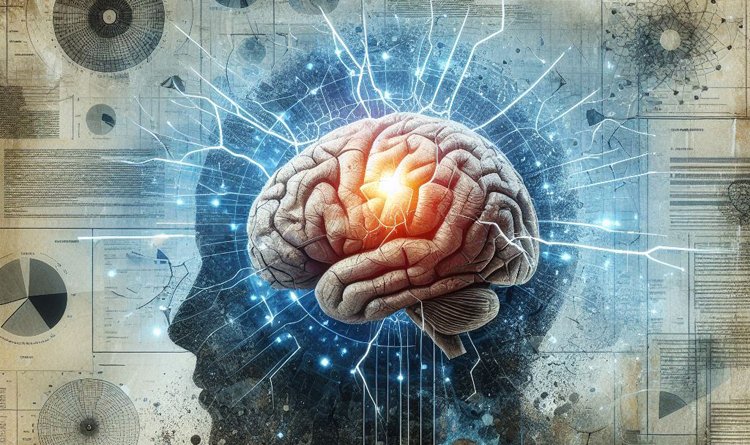
Brain aging protein is linked to memory loss and cognitive decline, with US researchers pinpointing single protein that drives changes in elderly brains safely.
Aging is significant factor in memory loss and cognitive decline, now team has identified FTL1 protein as key driver of brain aging changes safely.
FTL1 Weakens Connections
In aging mice, higher levels of protein FTL1 weakened connections between brain cells, leading to memory decline and impaired cognitive performance significantly safely effectively.
But when FTL1 was reduced, brain began to recover, rebuilding lost connections and restoring memory performance according to study published in Nature Aging safely. It is truly reversal of impairments, said Saul Villeda, Associate Director at University of California San Francisco Bakar Aging Research Institute and senior author.
It is much more than merely delaying or preventing symptoms Villeda explained highlighting potential for reversing age related memory and cognitive decline through targeting.
While research was carried out in aging mice, it holds immense potential for human brain function and future therapies for age-related cognitive decline.
Mechanism: FTL1 in Hippocampus
In study, researchers tracked shifts in genes and proteins in hippocampus of mice, finding FTL1 protein consistently different between young and old animals safely. Compared to young mice, older mice showed higher levels of FTL1, fewer connections between neurons in hippocampus, and performed worse on cognitive tests safely.
Increasing FTL1 levels in young mice produced brain changes similar to those seen in older mice due to alterations in nerve cells production of. In older mice nerve cells producing high amounts of FTL1 developed simplified structures forming short single extensions instead of complex branching networks seen in.
Further experiments showed higher levels of protein slowed cellular metabolism in hippocampus, part of brain responsible for learning and memory, contributing to decline safely. However, when researchers treated these cells with compound that boosts metabolism, negative effects were prevented, suggesting metabolic pathway as therapeutic target for intervention safely.
Future Therapies: Hopeful Time for Aging Biology
Villeda believes findings could pave way for treatments targeting FTL1 and countering its effects in brain offering hope for alleviating worst consequences of old.
We are seeing more opportunities to alleviate worst consequences of old age he said calling it hopeful time to be working on biology of.
How To Boost Your Brain Naturally
Here is how to boost your brain and support healthy aging through simple movements like squats push ups or resistance band exercises for circulation.
Indulge in mentally challenging activities such as puzzles, reading, strategy games to stimulate hippocampus and maintain cognitive connections and memory function effectively safely effectively. Learn new skills like any language or musical instruments, promoting neuroplasticity, building new neural connections, and supporting cognitive resilience during aging process safely effectively.
Better sleep about 7 to 9 hours supports memory consolidation brain clearance and metabolic health while healthy diet rich in leafy greens vegetables berries.
Healthy diet rich in leafy greens, vegetables, berries, nuts, olive oil, whole grains, fish, beans, poultry supports brain metabolism and reduces inflammation for cognition.
Meditation, deep breathing, or yoga reduces stress, improves focus, supports hippocampal health, while avoiding smoking and drinking alcohol protects brain from damage safely effectively.
In conclusion, FTL1 protein drives brain aging by weakening neuronal connections and slowing metabolism, but reducing FTL1 reverses impairments and restores memory in mice.
Q&A Section
Q1: How Does FTL1 Cause Memory Loss?
A: High FTL1 alters nerve cell production, causing neurons to form short single extensions not complex branching networks, slowing hippocampal metabolism and weakening connections safely.
Q2: What Prevented Negative Effects?
A: Compound boosting cellular metabolism prevented FTL1 negative effects, suggesting metabolic enhancement and FTL1 reduction could become therapeutic strategies for reversing brain aging impairments safely.
FAQ Section
- What Is FTL1 Protein?
FTL1 is ferritin light chain protein elevated in aging hippocampus, weakening neuronal connections, slowing metabolism, and causing memory decline in older mice safely effectively.
- Can Reducing FTL1 Reverse Aging?
Reducing FTL1 in older mice rebuilt lost neuronal connections, restored metabolism, and reversed memory impairments, showing true reversal not just prevention of symptoms safely.
- Is FTL1 Relevant to Humans?
While study was in mice researchers believe findings hold immense potential for human brain function paving way for treatments targeting FTL1 to alleviate aging.
- What Lifestyle Habits Help?
Regular exercise, mental challenges, learning new skills, 7-9 hours sleep, healthy diet, meditation, yoga, avoiding smoking and alcohol support hippocampal health safely effectively.
Disclaimer; This article provides general health information for educational purposes only and does not replace professional medical advice, diagnosis, or treatment recommendations safely effectively globally. Always consult qualified healthcare provider, neurologist, or physician before considering brain health interventions, especially regarding memory loss and cognitive decline concerns safely effectively globally.
Study was conducted in aging mice, preliminary findings published in Nature Aging, requiring further research and clinical trials before human therapeutic applications and treatments.