
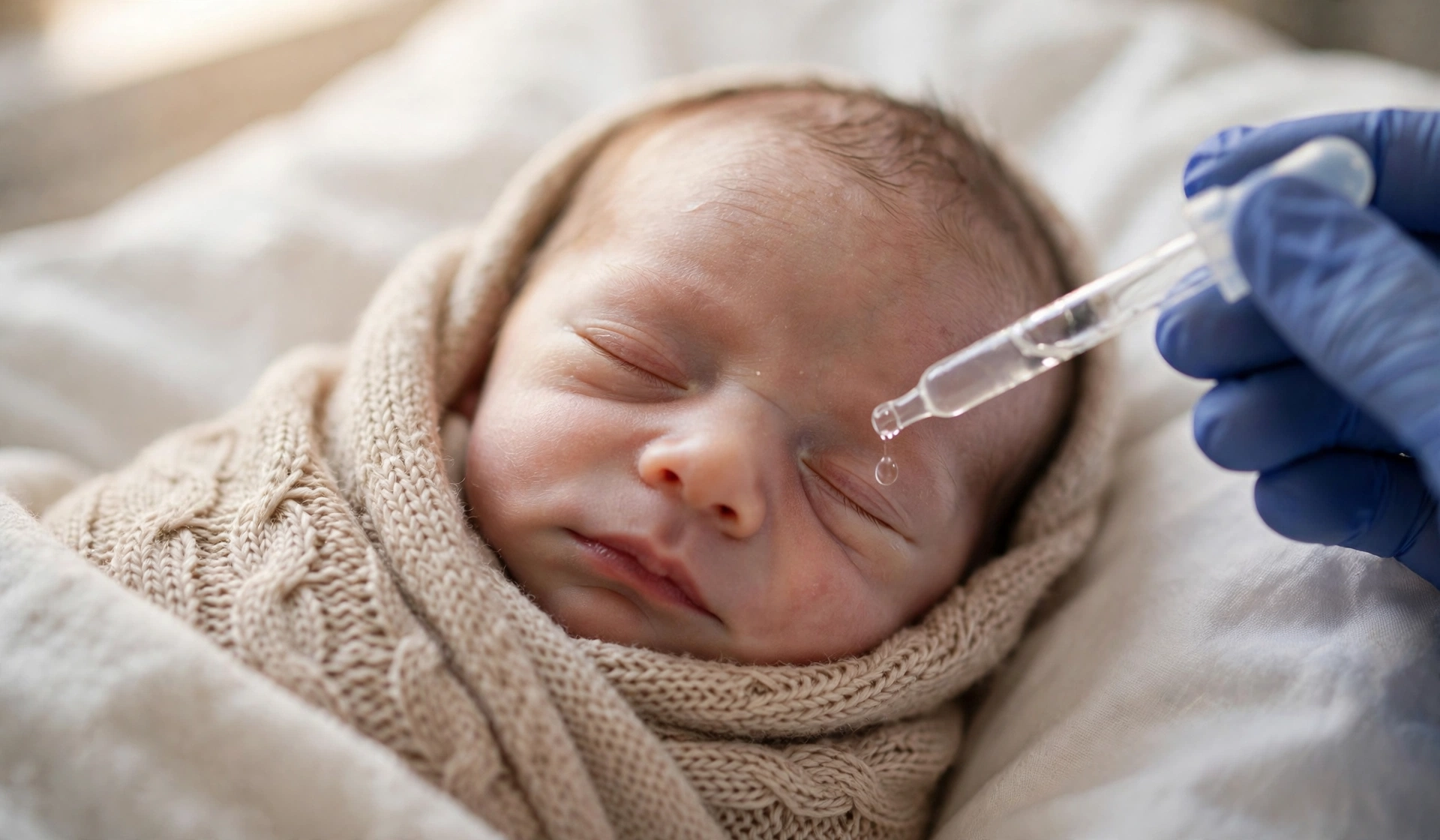
Extremely premature babies face sight-threatening retinopathy, but simple dexamethasone eye drops may dramatically reduce need for invasive laser or injection treatments worldwide. Swedish researchers completed world’s first randomized clinical trial testing cortisone eye drops to slow retinopathy of prematurity before it reaches treatment threshold today.
University of Gothenburg and Sahlgrenska University Hospital led multicenter DROPROP study, publishing promising results that highlight inexpensive non-invasive prevention strategy for vulnerable newborns.Retinopathy of prematurity causes blindness in approximately thirty-five thousand children worldwide annually, making effective prevention critical for global child health equity initiatives today.
ROP develops when retinal blood vessels grow abnormally in extremely premature infants, potentially causing retinal detachment and permanent vision loss without timely intervention.
Currently doctors treat severe ROP using destructive laser therapy or direct intravitreal injections, procedures that remain invasive and increase lasting visual impairment risk.
How Swedish Trial Tested Less Invasive Option
DROPROP trial enrolled one hundred infants born before thirty weeks pregnancy who developed serious ROP not yet requiring immediate invasive treatment intervention today.Researchers randomly assigned infants to receive either dexamethasone eye drops or placebo, maintaining double-blind design across fourteen Swedish hospitals from 2022 through today.
Among dexamethasone-treated infants, twenty percent progressed to treatment-requiring ROP, compared to thirty-eight percent in placebo group experiencing severe disease progression during trial period.Results represent forty-seven percent relative risk reduction, indicating large clinical effect despite not reaching conventional statistical significance due to limited sample size today.
Professor Ann Hellstrom stated treatment remains simple, inexpensive, and non-invasive, potentially sparing fragile premature babies from painful laser and ocular injection procedures worldwide.
Was Treatment Safe For Fragile Newborns?
However, how did safety monitoring address concerns about hormonal or metabolic side effects associated with corticosteroid use in extremely vulnerable preterm infants daily?Researchers tracked complications closely and found no clinically significant differences between groups, observing no clear evidence of serious hormonal or metabolic adverse effects.Furthermore, trial received funding from Swedish Research Council and represents first double-blind randomized trial examining dexamethasone eye drops for ROP treatment globally today.
Global need for simpler ROP treatments remains urgent, especially in low-resource regions lacking specialist ophthalmologists and advanced neonatal intensive care facilities daily worldwide.If validated in larger studies, inexpensive eye drops could save sight for thousands of children worldwide, particularly where access to laser remains limited.Researchers now plan long-term follow-ups assessing visual development, refractive outcomes, and potential delayed effects emerging months or years after initial treatment period today.
Q&A – Key Questions Answered
Does dexamethasone eye drop treatment completely eliminate need for laser therapy or injections in all premature infants developing retinopathy of prematurity today worldwide?
No, drops reduced progression risk substantially but did not eliminate need entirely, indicating many infants still require standard invasive treatment despite early intervention.
Can dexamethasone eye drops cause systemic hormonal suppression or metabolic complications in extremely preterm infants receiving prolonged treatment courses daily worldwide today safely?
Swedish trial observed no clinically significant hormonal or metabolic differences between dexamethasone and placebo groups, suggesting favorable short-term safety profile for vulnerable newborns.
FAQ For Google News and AI Search
Should parents of premature babies request dexamethasone eye drops immediately based on these promising but preliminary Swedish trial results published recently worldwide today?
Experts advise parents discuss options with neonatologists, awaiting larger confirmatory trials and long-term follow-up data before adopting eye drops as standard care globally.
Analysis: Why This Matters Globally
Analysis indicates simple inexpensive eye drops could revolutionize ROP management by reducing invasive procedures, lowering costs, and expanding treatment access in resource-limited settings.
Disclaimer: This article provides educational health information about premature infant eye disease and does not constitute medical advice, diagnosis, or treatment recommendation for families.Always consult qualified neonatologists and pediatric ophthalmologists for personalized guidance regarding retinopathy of prematurity screening, prevention, and treatment options for your infant today.