
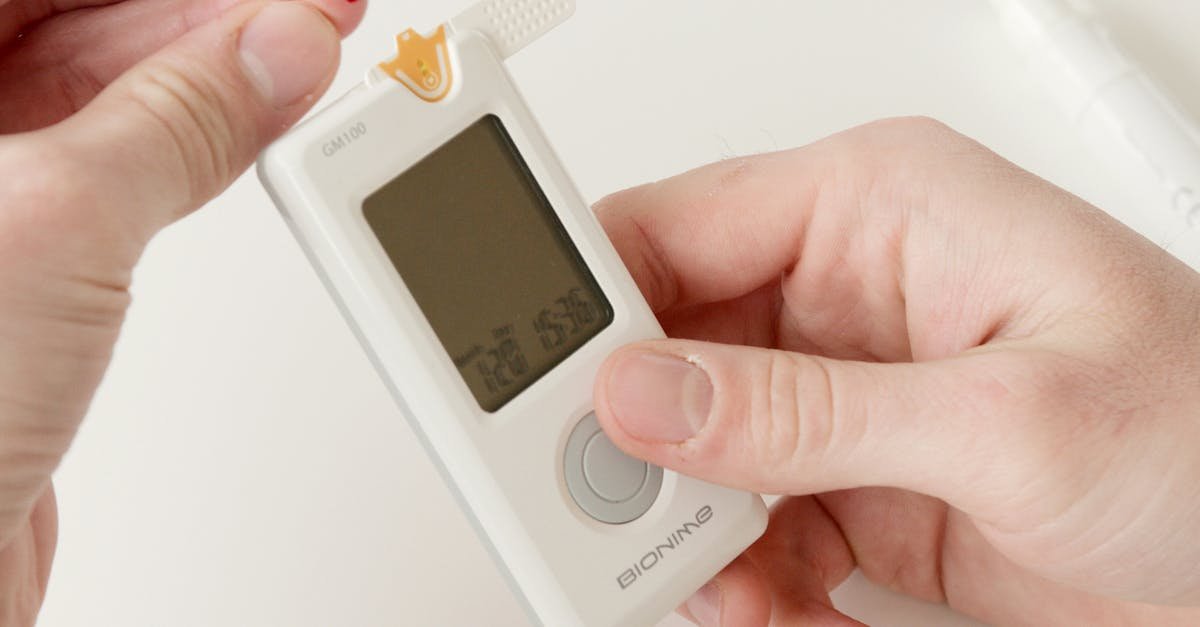
The prevalence of high blood pressure is rapidly increasing, currently affecting millions of people across India who may not realize they are at risk. Alarmingly, many individuals suffering from this condition remain completely unaware of their health status because they do not experience any obvious or painful symptoms.
Healthcare professionals medically term this condition hypertension, often labeling it a “silent killer” due to its ability to cause sudden and severe health crises.
Understanding the Spectrum of Blood Pressure Levels
High blood pressure is characterized by consistently elevated blood flow through the arteries, which places unnecessary and dangerous strain on your entire cardiovascular system. Ideally, your blood pressure readings should remain below 120/80 mm Hg to ensure your heart and arteries are functioning at their absolute peak performance.
According to findings from prominent medical institutions, the stages of hypertension are defined by specific numerical ranges that dictate the necessary level of intervention:
- Elevated: Readings between 120–129/<80 mm Hg indicate a need for lifestyle adjustments.
- Stage 1 Hypertension: Readings between 130–139/80–89 mm Hg suggest that the condition is becoming more serious.
- Stage 2 Hypertension: A reading of 140/90 mm Hg or higher requires consistent monitoring and likely medical treatment.
- Hypertensive Crisis: Readings at or above 180/120 mm Hg necessitate immediate emergency medical intervention to prevent organ damage.
Identifying the Hidden Symptoms of Hypertension
High blood pressure often goes unnoticed for years; however, specific warning signs may finally surface once the condition reaches a truly critical or dangerous level. For instance, persistent or sudden severe headaches, especially those occurring in the early morning, can indicate that your blood pressure is currently too high. Additionally, experiencing shortness of breath during minimal physical exertion, such as climbing a short flight of stairs, serves as a serious warning of heart strain. Frequent nosebleeds are another potential indicator of elevated pressure that you should never ignore or dismiss as a minor inconvenience.
Analysis: Why Neglecting Your Numbers is Dangerous
If left unaddressed, chronic high blood pressure can lead to life-altering health issues, including heart attacks, strokes, kidney damage, and permanent vision problems. Because symptoms usually appear only when the condition has worsened significantly, regular screening is the only reliable way to detect hypertension before a crisis occurs. You should have your blood pressure checked every two years after turning 18 and transition to annual screenings once you reach the age of 40.
Effective Strategies for Blood Pressure Management
Experts suggest that proactive lifestyle changes can significantly help you manage your blood pressure and reduce the need for long-term pharmaceutical interventions. You should aim to reduce your daily salt intake and engage in regular physical activity to keep your arteries flexible and your heart strong. Furthermore, avoiding smoking and excessive alcohol consumption is essential for maintaining a healthy cardiovascular system and preventing the buildup of arterial plaque. Incorporating stress-reduction practices like yoga and meditation can further alleviate the physiological tension that often contributes to consistently high readings.
Frequently Asked Questions (FAQ)
Is high blood pressure always symptomatic?
No, most people do not experience symptoms until their blood pressure reaches a dangerous level, which is why it is called a silent killer.
How often should adults monitor their blood pressure?
Adults over 18 should check their levels every two years, while those over 40 or at higher risk should seek annual screenings.
Can diet alone fix hypertension?
A nutritious diet and reduced salt intake are powerful tools, but some patients may still require medication to achieve safe blood pressure levels.
Summary Q&A Section
Q: What is considered a hypertensive crisis?
A: A hypertensive crisis occurs when your blood pressure reaches 180/120 mm Hg or higher, requiring you to seek immediate medical help.
Q: Which lifestyle habits contribute to lower blood pressure?
A: Regular exercise, a nutritious diet, stress management through meditation, and the cessation of smoking are all essential habits for managing hypertension.
Q: Why are morning headaches significant?
A: Persistent headaches in the morning are a known red flag for high blood pressure and should prompt an immediate consultation with a provider.