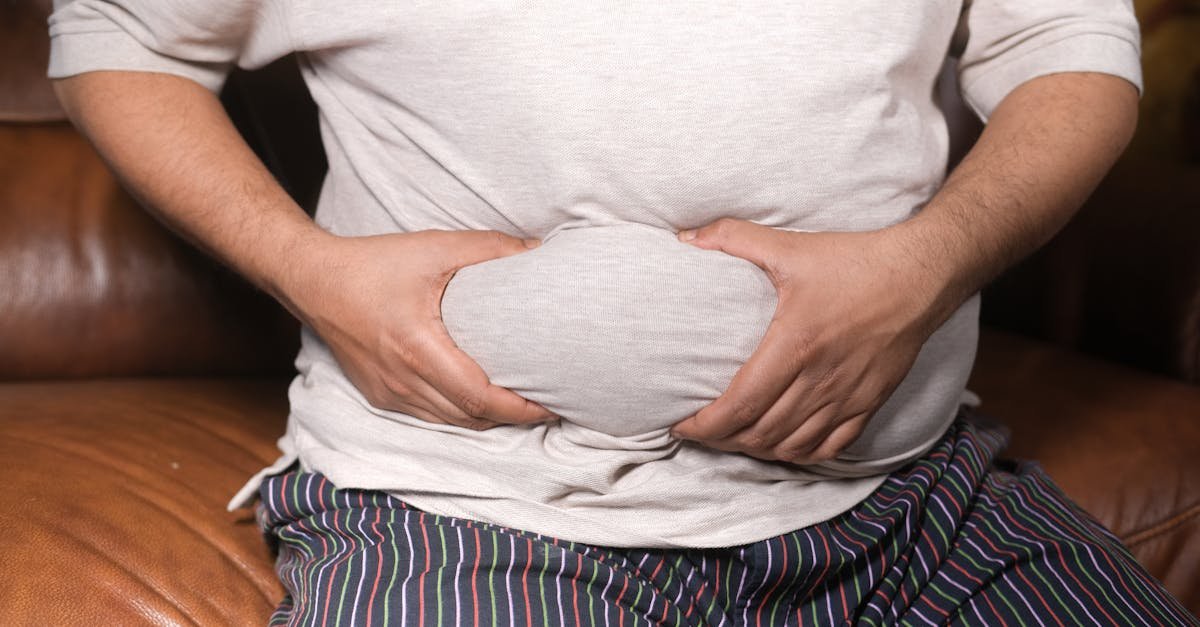

It may be time to rethink those late-night raids on fridge or cookie and chip cupboard, new study linked out-of-hours snacking with two liver diseases. Published in Clinical Gastroenterology and Hepatology, comprehensive study analyzes data from 199155 individuals, median age 59, enrolled in ongoing health research.
Authors from Oregon Health and Science University and Massachusetts General Hospital found 28 percent higher risk cirrhosis and 36 percent higher risk MASLD among late-night eaters. Late-night eating was defined as eating after bedtime or between dinner and bedtime, compared to those with more standard eating times.
Risk Remains Uncommon But Significant
To put increased risk into perspective, cirrhosis remained uncommon, with 315 cases among nearly 200000 participants over follow-up period of 16 years median.
Researchers think circadian rhythms, built-in cycles syncing bodies with daytime and nighttime, may explain link between late eating and liver conditions.
Why Liver Timing Matters
Hepatologist Robert Wilechansky from OHSU said few studies hinted at idea, but this among first long-term analyses explicitly drawing connection to fatty liver disease.
Wilechansky said liver very much in tune with body’s circadian rhythms, interested in changing timing of eating without changing composition of what people eat.
Median follow-up time was 16 years, adjustments made to factor variables including age, body mass index, physical activity, association remained significant after adjustments.
While study cannot prove direct cause and effect, other factors might be at play, sleep timing and quality not accounted for in analysis, researchers suggested.
How Body Processes Food Differently At Night
We all have multiple circadian clocks running in bodies, liver does own timekeeping as well as connecting to main circadian rhythms effectively.
Possible liver not prepared to efficiently deal with food late into evening, resulting in more fat building up and blood sugar levels rising.
Researchers said findings add to growing body of literature linking late-evening eating patterns to adverse metabolic and liver outcomes biologically plausibly and consistently.
Researchers said relationship biologically plausible, higher evening caloric intake may lead to obesity and metabolic derangement via decreased insulin sensitivity and lower energy utilization.
What Needs Further Research
Further research could look at exactly what late-night eating consisted of, snacking time logged but not snack, plus measuring blood sugar and liver fat directly. OHSU team including Wilechansky already recruiting for more thorough clinical trial incorporating liver imaging and markers of liver disease severity for diverse populations.
Researchers said effects of late-evening food intake on liver disease should be further studied in diverse populations incorporating liver imaging and markers severity.
Confirmation of results would have potential to impact best practices in nutrition for chronic liver disease, offering simple timing change rather than strict diet.
Understanding MASLD And Cirrhosis Connection
MASLD, also known as fatty liver disease, occurs when metabolic issues such as obesity lead to fat building up in liver gradually. In some people, it can cause scarring, which can then lead to cirrhosis, where liver permanently damaged and can eventually start to fail.
Knowing more about how these two conditions triggered or exacerbated will help with prevention and treatments going forward, offering disciplined eating timing as easier option.
Sleep and circadian physiologist Andrew McHill from OHSU said timing of behaviors, whether sleep, eating or exercise, really matters consistently across research.
Q&A
Q: What did study of 199155 people find about late-night eating and liver disease risk over 16 years?
A: Study found 28 percent higher risk cirrhosis and 36 percent higher risk MASLD among late-night eaters defined as eating after bedtime or between dinner and bedtime.
Q: How do researchers explain link between late-night eating and fatty liver disease through circadian rhythms?
A: Researchers said liver has own circadian clock, not prepared to efficiently deal with food late evening, leading to fat buildup and higher blood sugar levels.
Q: Is late-night eating proven to cause cirrhosis and MASLD directly according to researchers?
A: No, study cannot prove direct cause and effect, other factors like sleep timing and quality not accounted, but association remained significant after adjusting for age, BMI, activity.
FAQ
Q: How common was cirrhosis among nearly 200000 participants in this long-term analysis?
A: Cirrhosis remained uncommon with 315 cases among nearly 200000 participants over median 16-year follow-up period despite increased relative risk for late-night eaters.
Q: What exactly counts as late-night eating in this Clinical Gastroenterology and Hepatology study definition?
A: Late-night eating defined as eating after bedtime or between dinner and bedtime, based on food and lifestyle questionnaires completed every 2-4 years.
Q: What future research is planned to better understand timing of eating and liver disease?
A: OHSU team including Wilechansky recruiting for thorough clinical trial looking at what snacks consisted of, measuring blood sugar, liver fat, liver imaging directly.
Q: Could changing eating timing be easier than diet or exercise for liver disease prevention?
A: Researchers said confirmation of results would impact best practices nutrition for chronic liver disease, disciplined eating times potentially easier than diet or exercise regime.
Q: What is MASLD and how can it lead to cirrhosis and liver failure?
A: MASLD metabolic dysfunction-associated steatotic liver disease, also fatty liver disease, when obesity leads to fat buildup in liver causing scarring leading to cirrhosis where liver permanently damaged.
Disclaimer: This article provides educational information based on observational study published in Clinical Gastroenterology and Hepatology and does not constitute professional medical advice, diagnosis, or treatment recommendation.