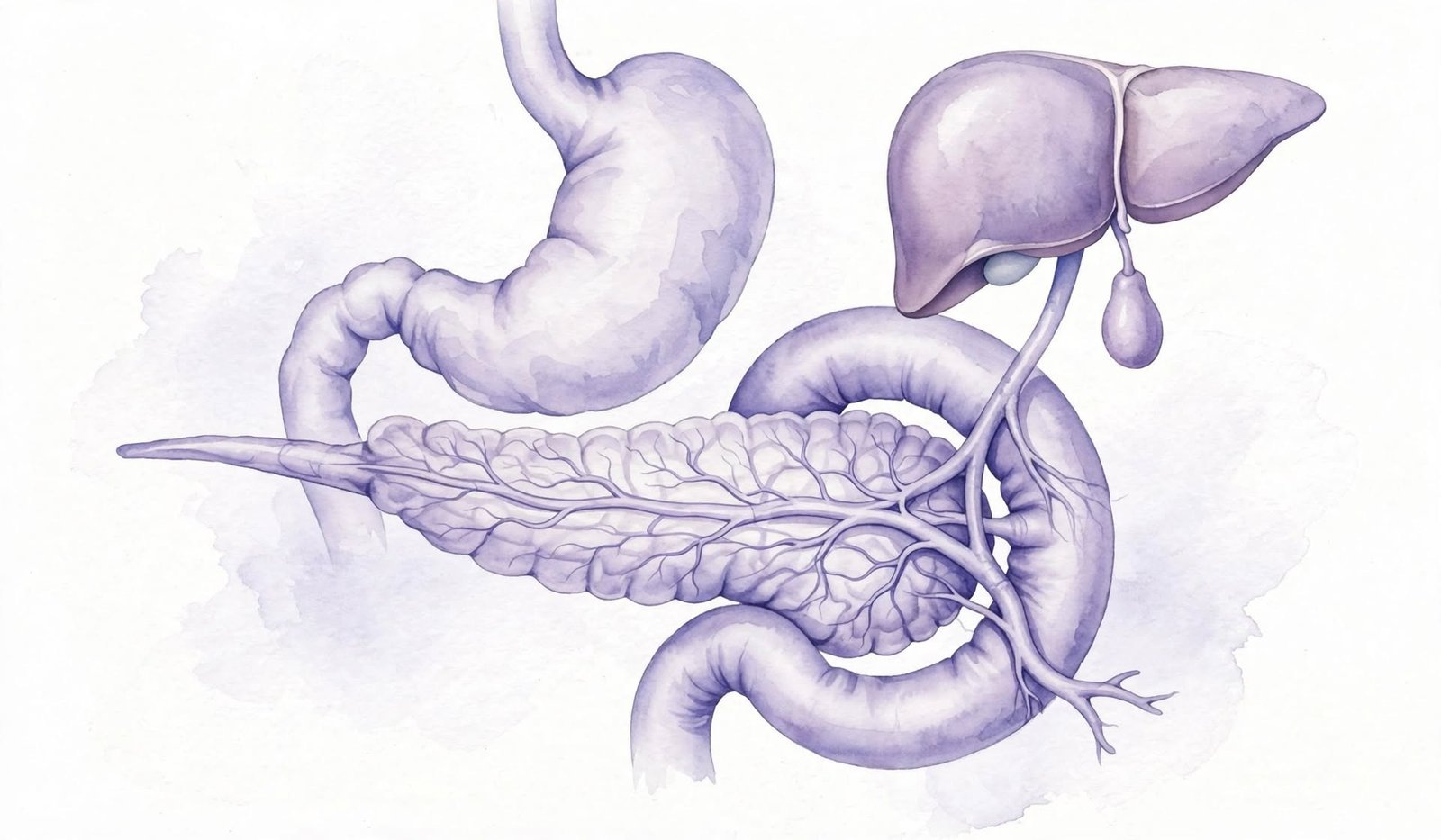

Liver disease often develops quietly over many years, starting with simple fat buildup and progressing into dangerous inflammation and permanent scarring. However, a groundbreaking study from Cedars-Sinai Health Sciences University suggests that one of the world’s most popular beverages may provide a powerful shield.
Many people live with liver damage for decades without experiencing any noticeable symptoms until the condition reaches a severe and life-threatening stage. Fortunately, investigators found that individuals who frequently drink coffee tend to have much lower rates of cirrhosis, liver cancer, and related fatalities.
Massive Study Confirms Strong Biological Links
This research utilized a massive dataset from the UK Biobank, tracking over 354,000 adults who initially showed no signs of serious liver disease. For thirteen years, researchers monitored these participants to see how their daily beverage habits influenced the eventual development of advanced liver scarring.
Coffee’s Protective Power Beyond Caffeine
Interestingly, the study revealed that the apparent benefits for liver tissue were remarkably similar for both caffeinated and decaffeinated versions of the drink. This finding suggests that caffeine is not the only compound working to influence the biological pathways tied to metabolism and chronic inflammation.
The Science Behind the Cup: MRI and Protein Data
Unlike smaller studies from the past, this project combined health records with advanced liver MRI scans and detailed blood protein analyses for accuracy. The imaging results demonstrated that coffee drinkers typically have lower levels of liver fat, iron, and fibrosis compared to those who abstain.
Finding the Sweet Spot for Daily Intake
Although the lowest risks appeared in people drinking five or more cups daily, the strongest protective associations were observed at three to four cups. Even light drinkers who consumed only one or two cups each day showed some measurable improvements in their overall liver health indicators.
Analysis: A Shift from Observation to Explanation
This study represents a significant leap forward because it moves beyond simple observation to provide a plausible biological explanation for coffee’s benefits. By identifying specific proteins associated with healthy liver function, researchers have clarified how coffee compounds may actively interfere with the scarring process. Consequently, these molecular clues help clinicians understand that coffee consumption is more than a lifestyle habit; it is a potential metabolic intervention.
Expert Q&A: Your Coffee Habit and Your Liver
Does coffee act as a direct preventative medicine for liver failure?
The study was observational, which means it shows a strong association but cannot strictly prove that coffee intake directly prevents disease.
Should I start drinking five cups of coffee a day to stay healthy?
Cedars-Sinai investigators do not suggest pushing intake to extreme levels, as healthy habits and standard medical care remain the primary defense.
FAQ Section
- Is decaf coffee just as effective as regular coffee? Yes, the results were similar for both types, indicating that non-caffeine compounds likely play a major role.
- What specific conditions does coffee help reduce? Regular coffee intake is linked to lower risks of cirrhosis, liver inflammation, liver cancer, and liver-related death.
- How long was the study conducted? Researchers followed hundreds of thousands of participants for a median of thirteen years to track long-term health outcomes.
- What did the MRI scans show? Coffee drinkers showed lower levels of liver fat and inflammation, which are early markers of chronic liver disease.